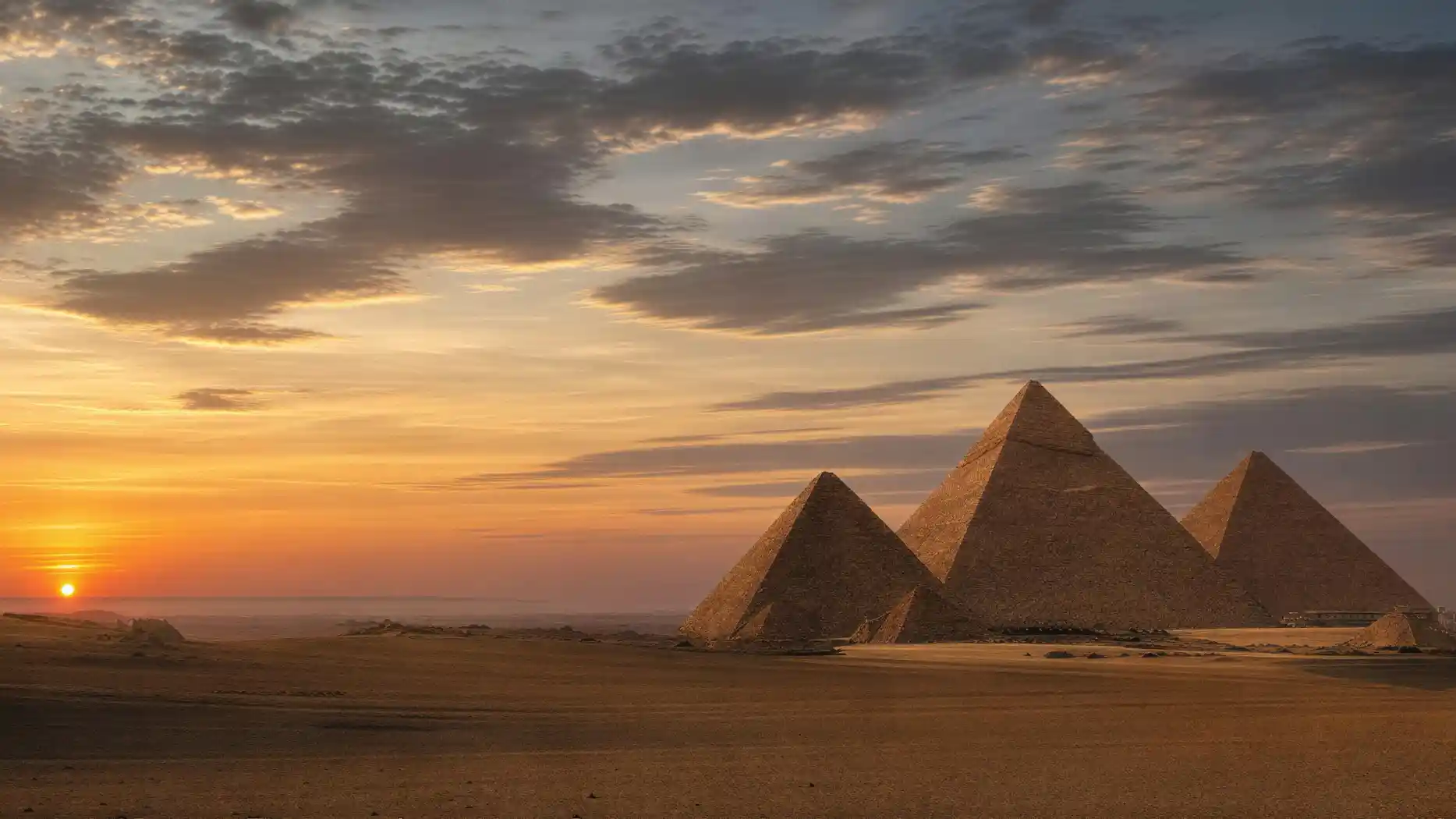
Camel riding at the Pyramids of Giza appears in almost every photo gallery about Egypt. If you're looking into it today, you should know that things are in flux.
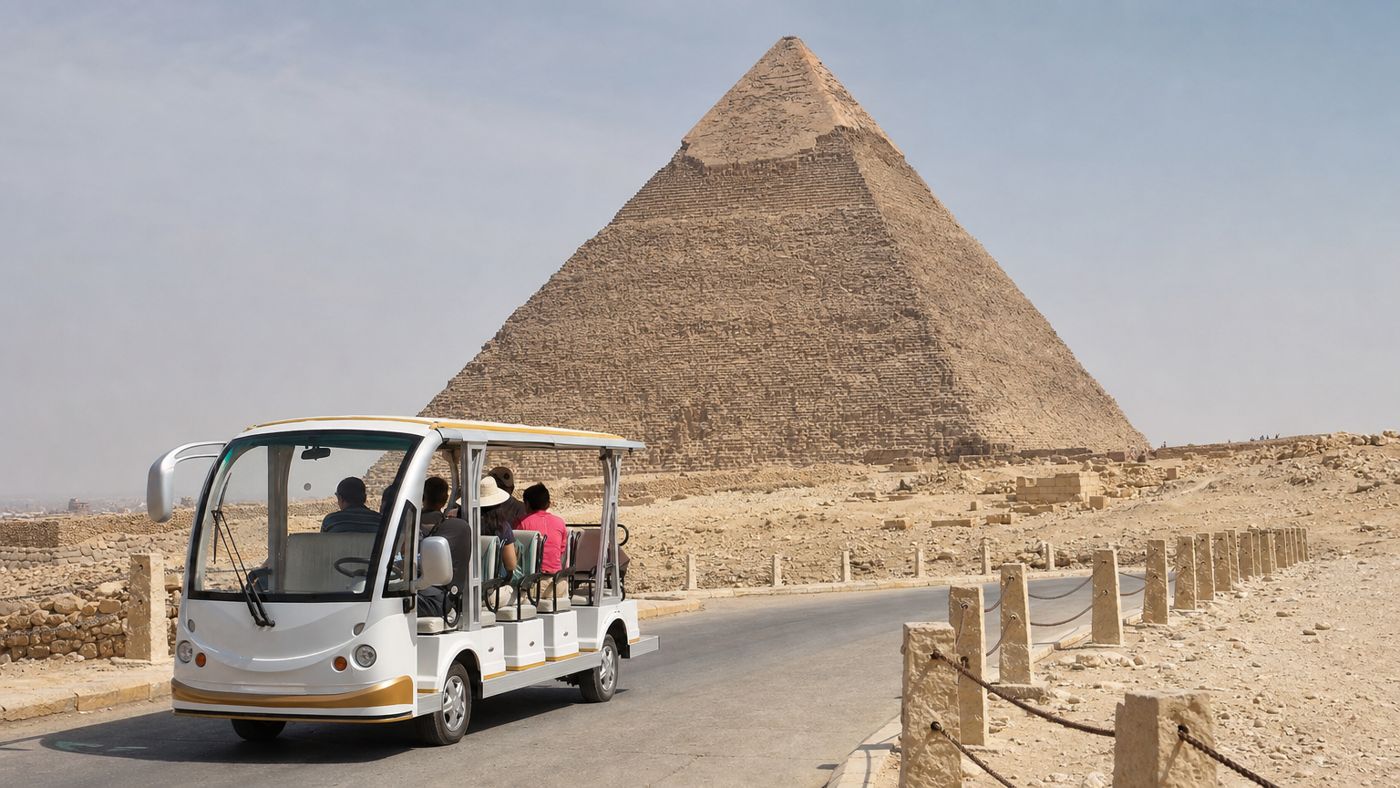
Two developments are happening at once. First, the reorganization of visitor operations has pushed the animals off the main paths: electric vehicles now run on the site, and riding operators have been relegated to designated zones on the periphery. Second, major international providers have dropped the rides from their offerings after animal welfare organizations spent years publishing material on the condition of the working animals.
Together, this creates a situation that can't be answered in one sentence. There's no published ban with a deadline, yet the activity is in decline. If you're looking for clear information, you'll mostly find outdated advice in travel forums: reports from a time when riding animals were a given part of the visit, and you'd be approached at the gate before you even had your ticket in hand.
That's why this page isn't selling you a ride. It describes what's confirmed, what's changing, and what options remain if you still want that photo.
Let's start with the most important point, because it immediately corrects expectations: a ride between the great monuments, as described in older travel reports, is no longer the norm. What's offered now takes place mostly at the edge and outside the fence.
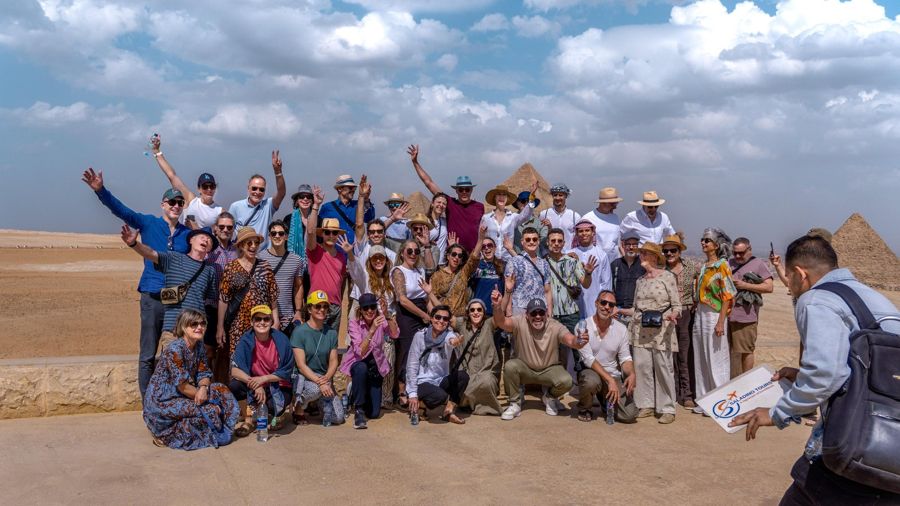
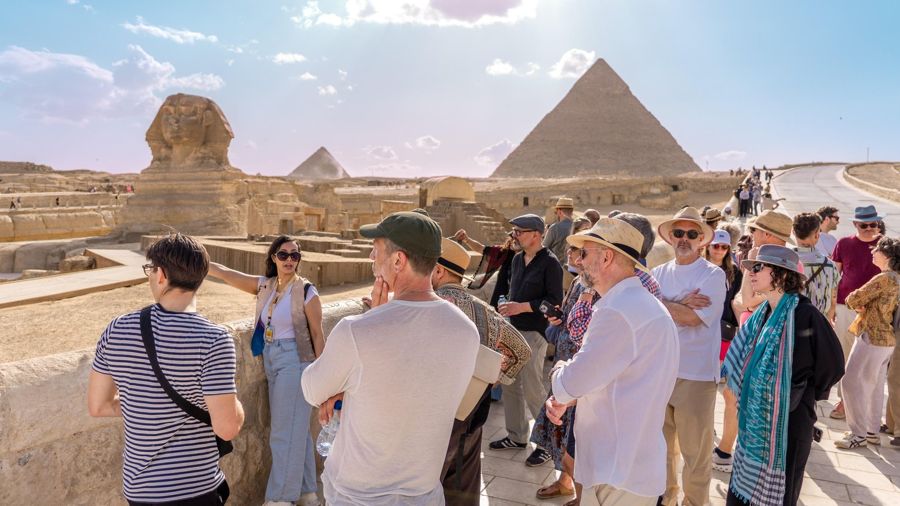
Half-day tour to the plateau and Sphinx
- Covers the routes that once required an animal, with a guide instead of haggling
- Four hours, guided in German, with pickup and priority entry
- Plateau admission included, including the electric shuttle
- Free cancellation up to 24 hours before start
- Legal status
- No published ban with a deadline, but a declared intention to remove animals from the core area
- On site
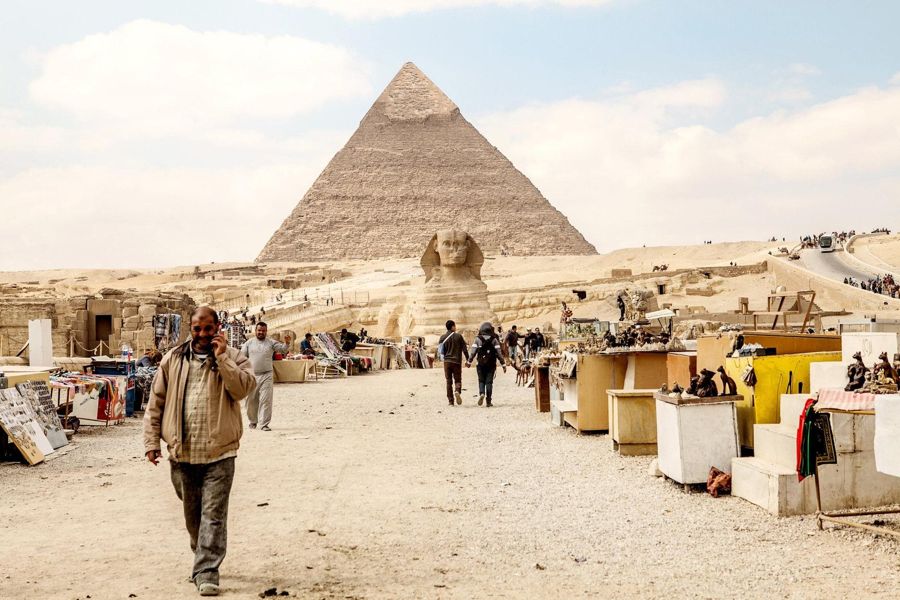
- Electric vehicles now handle transport; riding operators have been moved to the periphery
- Government program
- Since October 2024, a national animal welfare program for heritage sites
- Major providers
- Several international platforms and hotel groups no longer offer the rides
- On-site availability
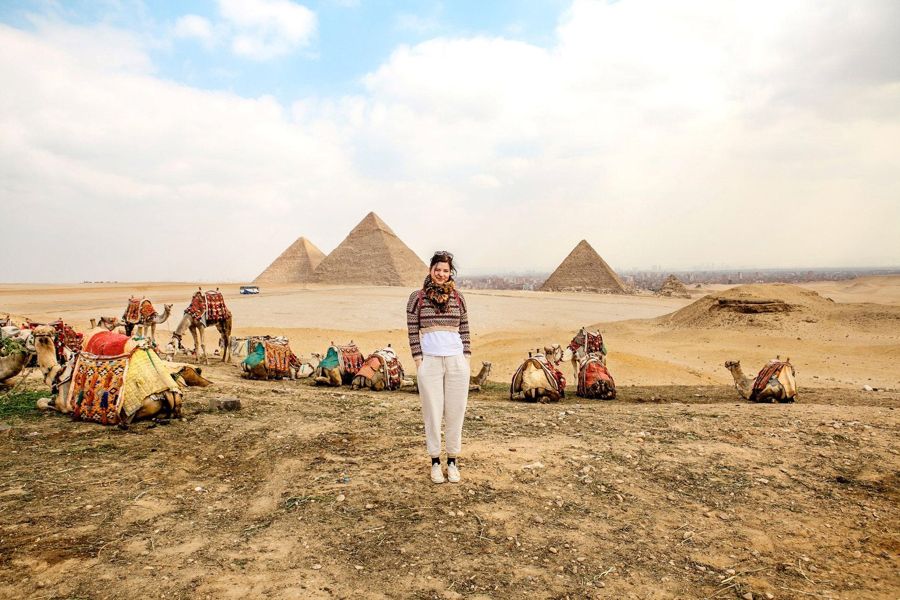
- Still available, mostly at the edge and outside the fence
What the animal welfare reports show
The basis for all this is unpleasant, and it belongs on this page because no one else will mention it.
Since 2019, the animal rights organization PETA has repeatedly filmed undercover at Egyptian heritage sites and published the results. They document beatings of exhausted animals, work in scorching heat without adequate shade, lack of water and food, and untreated illnesses. Follow-up footage from 2023 and 2024 shows the same conditions, according to the organization.
For context, PETA is an advocacy group that publishes its footage with a clear agenda. That doesn't invalidate the footage, but it requires proper attribution: this is the organization's account, not an official finding.
What's remarkable is how the Egyptian side has responded. On October 27, 2024, the Minister of Tourism and Antiquities and the Minister of Agriculture jointly launched a national program to protect horses, camels, and domestic animals at archaeological sites. A government that launches such a program is essentially confirming that a problem exists.
A second sign of the pressure is the market's reaction. When intermediaries the size of international booking platforms and a global hotel group pull an established, in-demand product from their offerings, it's not out of sentimentality but because the risk to their brand outweighed the revenue. That too speaks volumes.
Whether the program works remains to be seen. PETA counters that conditions haven't changed significantly since. There's no independent verification of that counterclaim.
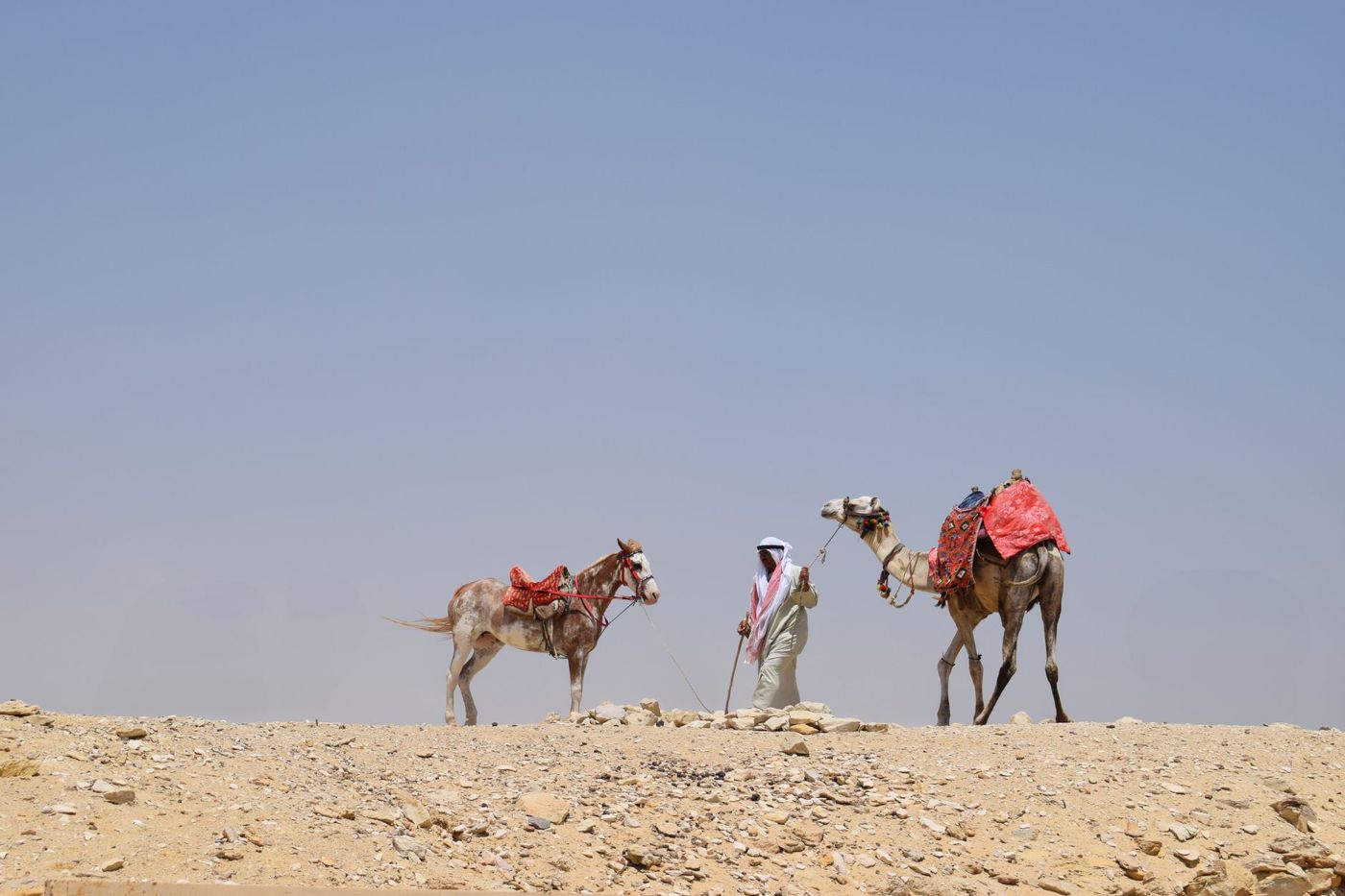
The redevelopment is displacing the animals more than animal welfare is
What's actually displacing the animals is less about animal welfare and more about the redevelopment of visitor operations.
Since the reorganization, private vehicles and tour buses are no longer allowed within the designated archaeological zone, and transport between stops is handled by electric vehicles included in the admission price. This removes the practical reason many visitors once took an animal: it was hard to get around the vast site otherwise.
For riding operators, this is an existential threat, and they've fought back. Egyptian media reported on protests where operators blocked access for the new electric vehicles. The point of contention was newly assigned locations that, from the operators' perspective, were too far from the entrances to attract customers.
In parallel, several major providers have reacted. International booking platforms and a hotel group have removed tours with camel or horse rides at the plateau from their offerings. This is the most noticeable change for travelers: where you could book with a few clicks a few years ago, you'll now find nothing from major providers.
What remains is direct sales on site, which brings the usual side effects: being approached at the fence, negotiated prices that rarely hold, and no authority to turn to in case of a dispute.
Is it still possible, and should you?
That leaves the question that probably brought you here: Is it still possible, and should you?
Possible: yes. Offers still exist, mostly at the edge of the site and in the open desert beyond. No ban with a deadline has been published, but the direction of government policy is clear, and some areas are already off-limits to animals.
Should you: That's your decision, and this page won't make it for you. What we can provide is the basis. There's documented material on the animals' condition, a government program acknowledging the need for action, and several major providers who've decided to stop offering the rides. These three points stand side by side, and knowing them allows you to make an informed decision.
If you do decide to go ahead, it changes the level of care. An animal that's skinny, has open sores under the saddle, limps, or seems listless is not an animal you should ride, and refusing costs you nothing but an awkward minute. Water and shade within reach are the second criterion, and time of day the third: no animal works willingly at 35 degrees at noon.
There's also a point often overlooked: your own safety. A camel stands up to let you mount, and this motion regularly throws inexperienced riders forward and backward. Falls almost always happen when the animal stands up or lies down, not while walking. If you ride, hold onto the saddle horn and lean against the motion, and if you're unsure, have someone show you rather than guessing.
And a financial warning, because it applies regardless of animal welfare. The quoted price is rarely the final one. It's common for an extra charge to appear at the end for dismounting, returning, or for the photographer. If you pay in cash and have the total price repeated before mounting, you've avoided the worst surprise.
The trade-off at a glance
Pros
- The image is iconic and can't be replicated anywhere else
- The open desert behind the site is hard to explore on foot
- A ride at the edge is quick and takes little time out of your day
Cons
- Documented material on the working animals' condition argues against it
- The government itself is moving animals out of the core area and replacing them with vehicles
- Major providers no longer offer it, leaving only direct sales with no recourse
- Price agreements rarely hold; surcharges are the norm
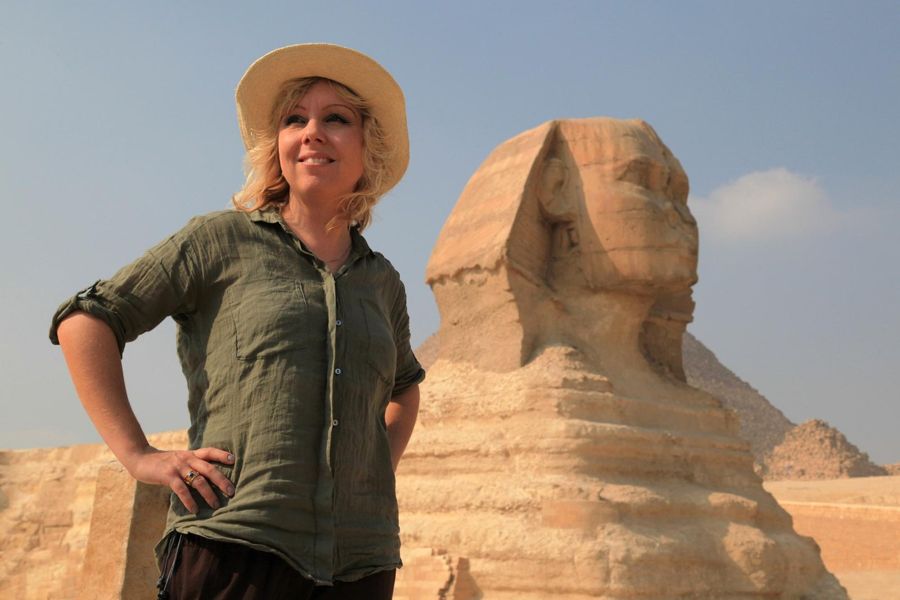
Entry ticket to the plateau as a QR code
The electric shuttle between stops is included in the admission price. That covers getting around the site without needing an animal.
The photo works without an animal too
If you're coming for the photo, you now have better options than before, and without an animal.
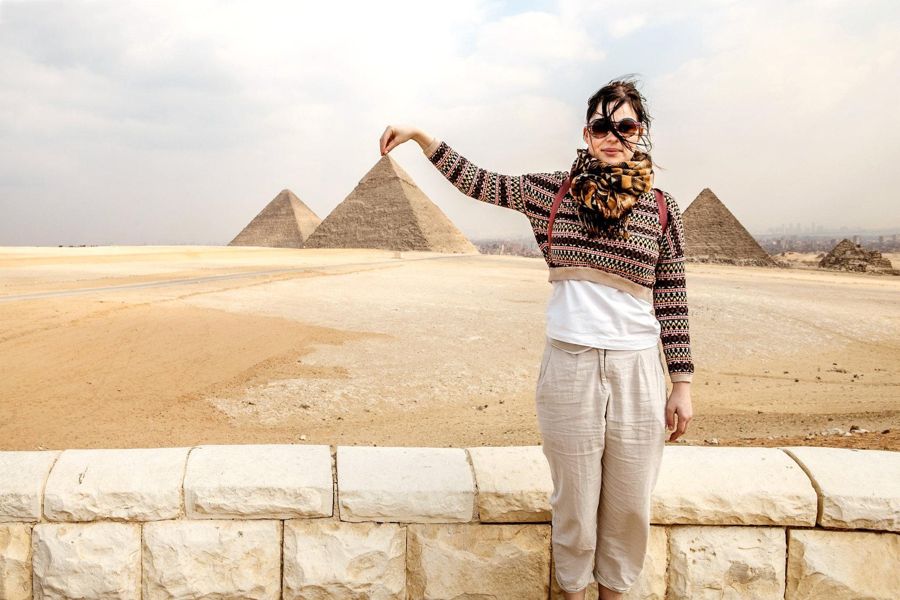
The classic shot is rarely about the riding itself, but the silhouette against the pyramid. A camel ride at sunset gives you that, but the same shot can be taken from the viewpoint to the southwest, where all three structures stand in a row and the evening light comes from the right direction. The animals waiting at the edge will be in the frame without you having to mount.
A second spot for the same shot is to the west, where the desert begins. From the sand dunes behind the site, the structures stand free, without a fence or the city edge in the frame, and the operators' animals are already waiting in that area anyway. For a photo, that's enough without booking a ride.
For a bird's-eye view, there are sightseeing flights over the site, and for the desert stretch, quad tours outside the fence. Neither fully replaces the ride, but each covers part of what travelers book it for.
And there's the simplest option: walking. The path from the Sphinx to the Great Pyramid is easy to walk, the terrain is flat, and the shuttle covers the long stretches. What was once a practical argument for an animal is no longer one since the redevelopment.
The honest conclusion is this: the camel is part of the image we all have in our heads, but it's no longer part of the visit. This development is declared policy, it's underway, and it will continue in the coming years.
Frequently asked questions
Are camel rides banned at the plateau?
No ban with a deadline has been published. However, the declared policy is to remove animals from the core area and replace them with electric vehicles.
Can you still ride?
Yes, mostly at the edge of the site and in the desert beyond. However, you'll rarely find it on major booking platforms anymore.
Why have providers stopped offering the rides?
After years of published material on the working animals' condition, several platforms and a hotel group decided to stop brokering the rides.
How can I tell if an animal shouldn't be ridden?
Look for thinness, open sores under the saddle, limping, listlessness, and lack of water or shade within reach. When in doubt, decline.
How else can I get around the site?
On foot and via the electric shuttle, which is included in the admission price. The practical reason for a riding animal has been eliminated.