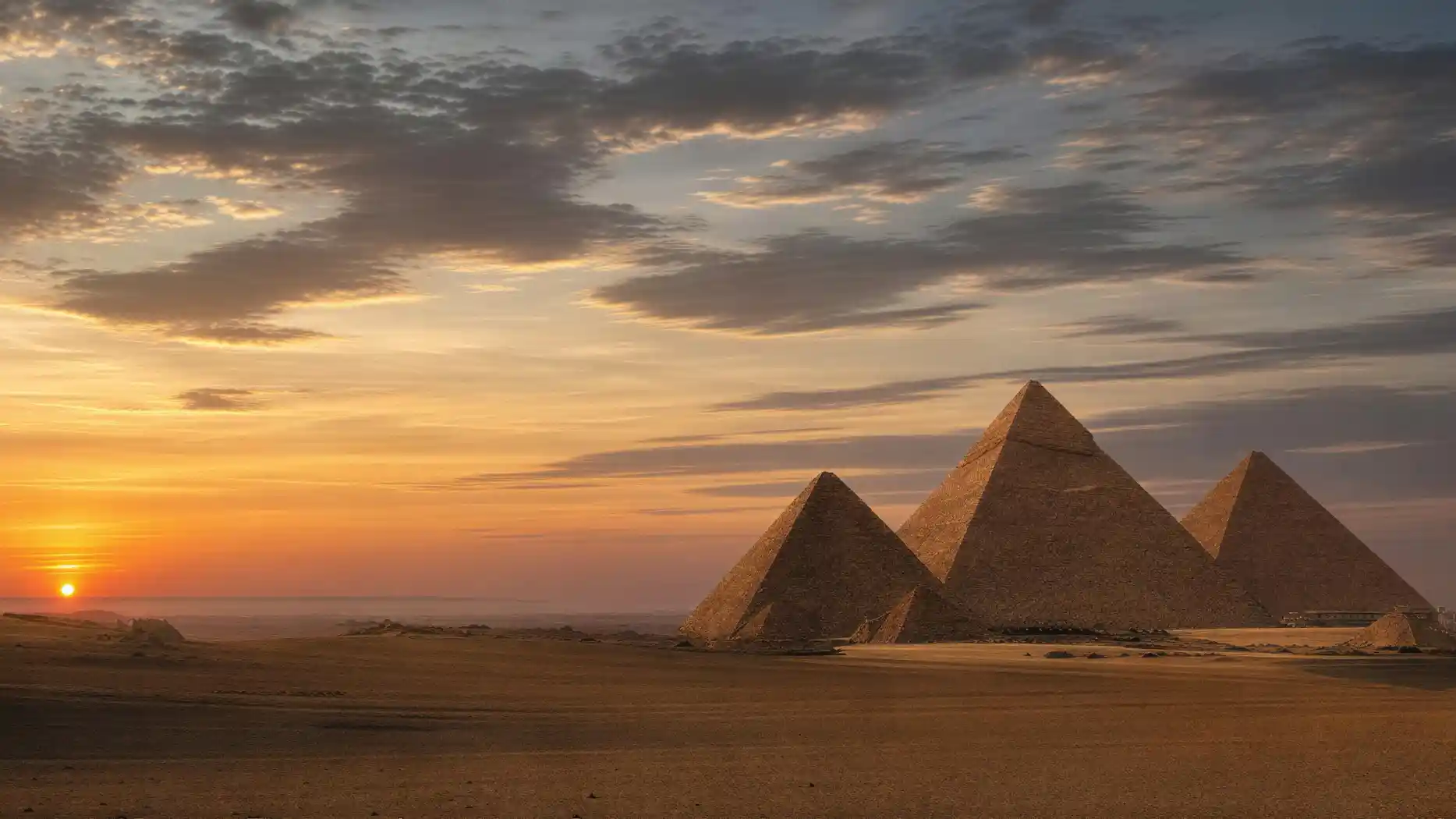
The Solar Boat of Khufu is the reason many visitors look for a low building at the foot of the largest pyramid, even though it hasn't been there for years.
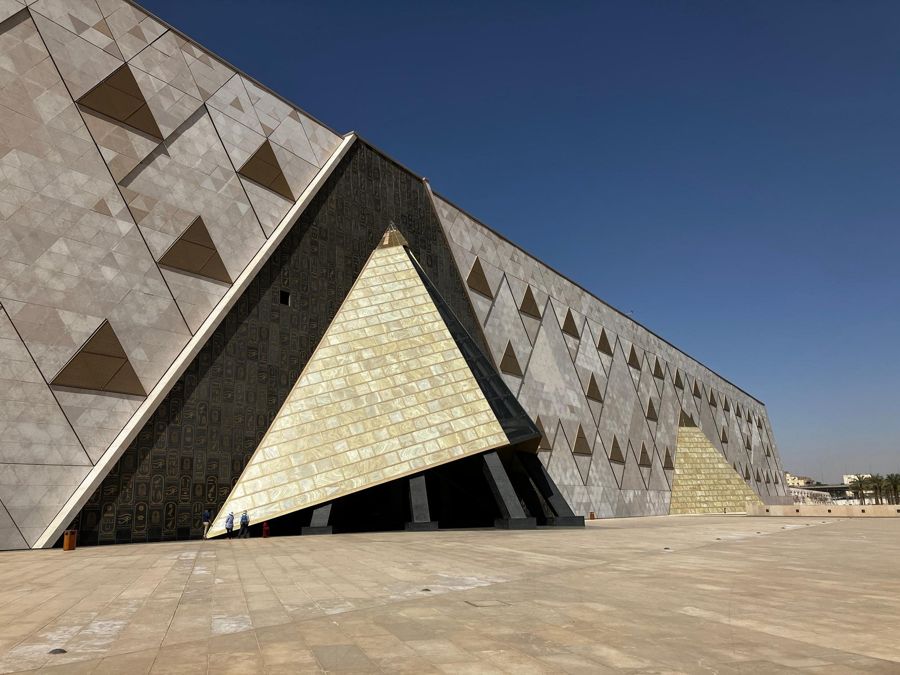
Until 2021, that was different. Directly on the south side of the pyramid stood a dedicated museum, built over the pit where the ship had been found. Visitors to the site could take it in on the same route. That building no longer exists, and the boat now stands about two kilometers away in the Grand Egyptian Museum.
For planning purposes, this is the only truly important piece of information on this page, and it contradicts a surprisingly persistent expectation. Travel guides, blog posts, and older programs still list the boat museum as a stop on the plateau. Those who look for it will find the empty pit and a piece of fencing.
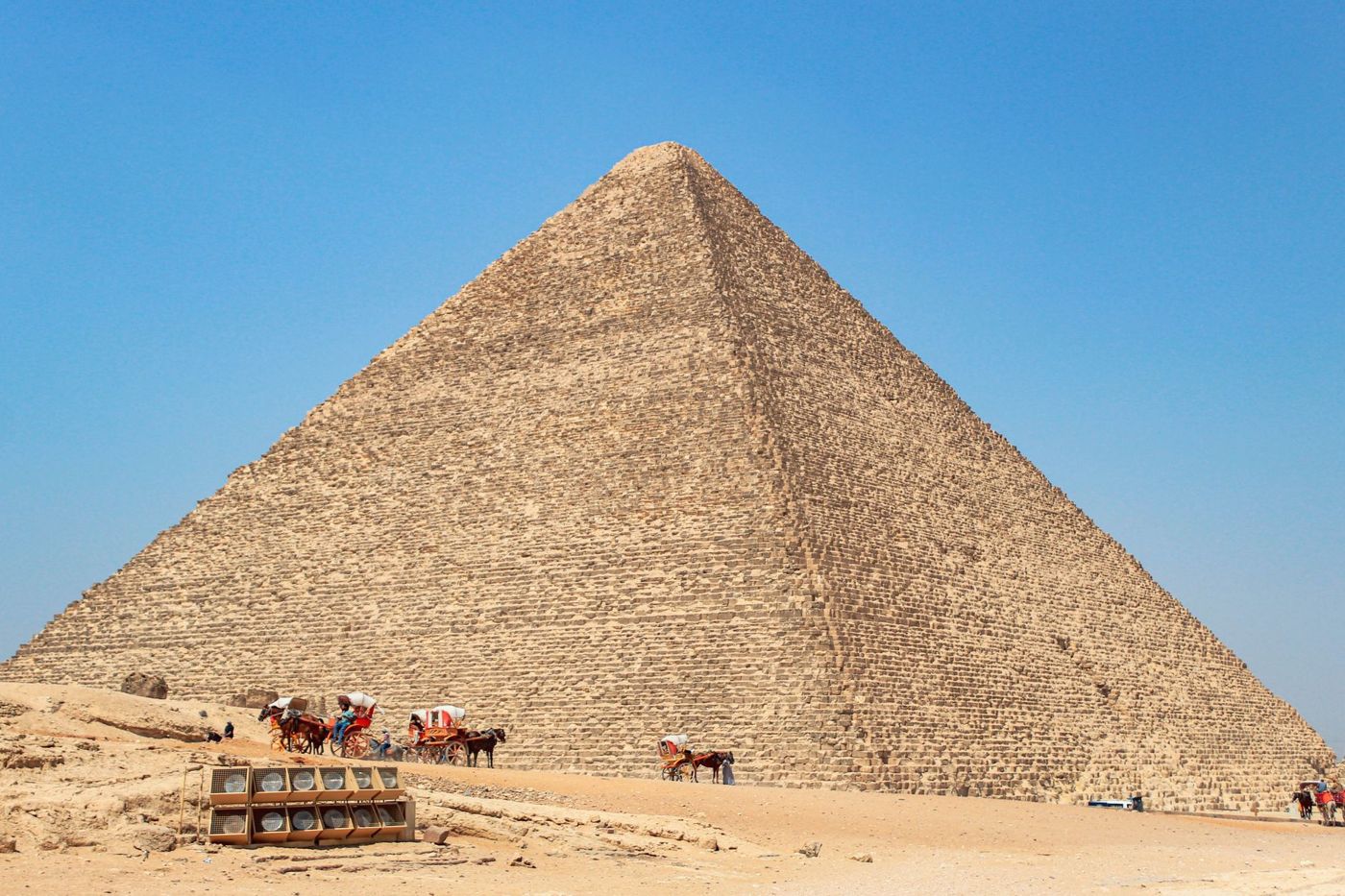
What you will still see on the site, however, are the pits themselves, and they are interesting enough in their own right to have their own page. This one is about the ship: where it stands today, how it was found, and why now is a good time to see it.
The Journey of the Boat, from Pit to Museum
- around 2560 BC
The ship is placed dismantled in a pit on the south side of the pyramid and sealed with stone slabs.
- May 1954
Egyptian archaeologist Kamal el-Mallakh opens the previously untouched pit and finds the timbers stacked in an orderly fashion.
- The following years
Restorer Ahmed Youssef Moustafa assembles the ship from over a thousand individual pieces, without a blueprint and with several attempts.
- 1982
The specially built boat museum at the pyramid opens, directly above the find site.
- 2021
The boat is transported to the Grand Egyptian Museum in a climate-controlled special vehicle. The museum on the plateau closes.
- since late 2025
In the museum, the second boat from the neighboring pit is being assembled in front of the public.
The 1954 Find Was Complete
The 1954 find is remarkable because it was practically complete, which is the great exception in Egyptian burial sites.
Kamal el-Mallakh came across a series of heavy limestone slabs during cleanup work on the south side. Beneath them lay a cavity that had not been opened since the burial. It is reported that when drilling, the smell of cedar wood escaped, after four and a half millennia.
In the pit lay not a finished ship, but its parts: over a thousand timbers, layered and ordered, along with ropes made of plant fibers. The ship had thus been deliberately buried dismantled, and in such a way that it could be reassembled. That is exactly what restorer Ahmed Youssef Moustafa did in the following years, in several attempts and without instructions, by evaluating the carpenter's marks and comparing them with depictions and traditional boatbuilding on the Nile.
The result is a ship about forty meters long made of cedar wood from Lebanon, held together not by nails but by mortise-and-tenon joints and ropes running through the planks. A brief pause on the name is worthwhile, because it is already an interpretation. The ship is called a solar boat not because an inscription names it so, but because one of the explanations is that it was meant to accompany the king on the sun god's journey across the sky. Those who use the name thus tacitly adopt one of several theories. In the museum, the area is correspondingly more soberly labeled, simply as the place of Khufu's boats.
What it was used for remains disputed to this day: whether as a vehicle for the king's journey in the sky, for the funeral procession itself, or as a ritual object that never sailed. Traces on the wood are interpreted in both directions.


Guided Museum Visit with Pickup
- Tour focused on the museum where both boats are located, rather than a quick pass-through with a museum segment
- Pickup from your accommodation is included, saving you the trip to the museum
- German-speaking tour available; entry to the plateau is intended as an add-on
- Free cancellation up to 24 hours before, according to the provider
Why the Second Boat Is the Reason to Go Now
The move, incidentally, had a reason that fits this place. The old museum stood directly above the find pit, and a building over a pit in the desert is a difficult place for wood: temperature and humidity fluctuate, and visitors bring additional moisture. The same problem exists inside the pyramids, except you can't move stone walls. A cedar wood ship can be moved, and that is exactly what happened in 2021, in a climate-controlled special vehicle over a short, carefully prepared route.
The reason a visit is worthwhile right now, however, lies not with the first boat but with the second.
Because there were two pits. The second was only opened decades later, and its contents were in significantly worse condition because the covering was not sealed. The recovery and restoration was undertaken by an Egyptian-Japanese mission led by Sakuji Yoshimura. According to the Japanese development agency, nearly 1,700 timbers from thirteen layers were recovered, and 1,343 of them were transferred to the museum; Japan funded the work with several million US dollars and provided around ninety specialists.
The real point, however, is how this work is presented. The second boat is not being restored behind closed doors in the museum, but assembled in front of the public, visible from a visitor level. So you don't see a finished display case, but an ongoing work: timbers on frames, specialists beside them, an object in the making.
That is unusual and won't last forever. When the ship is finished, a second exhibit will stand there, and the opportunity to watch a restoration of this scale will be over.
In Practice, It's Easier Than You Think
In practice, the matter is simpler than the move suggests.
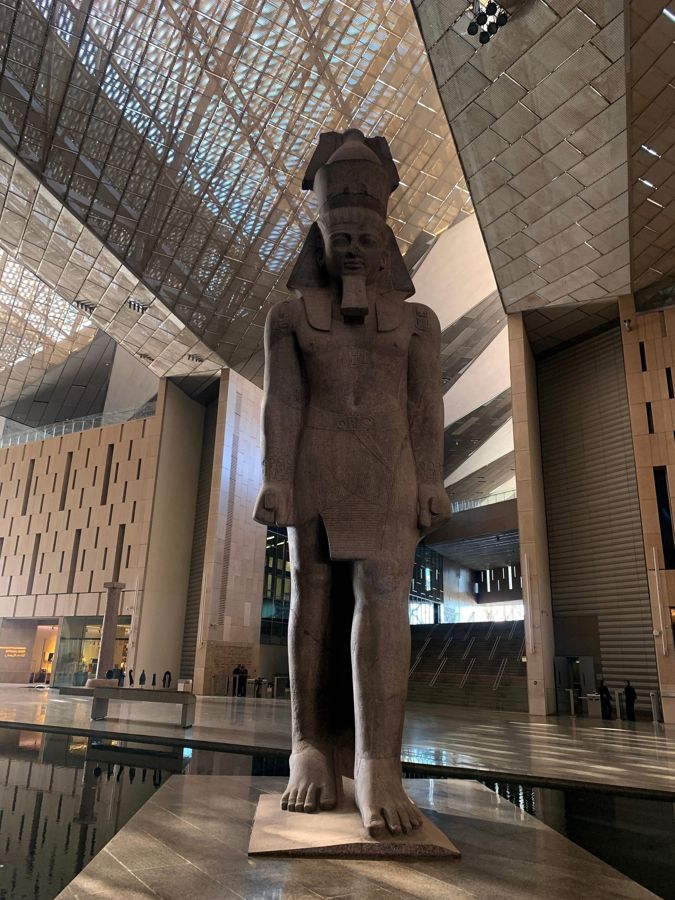
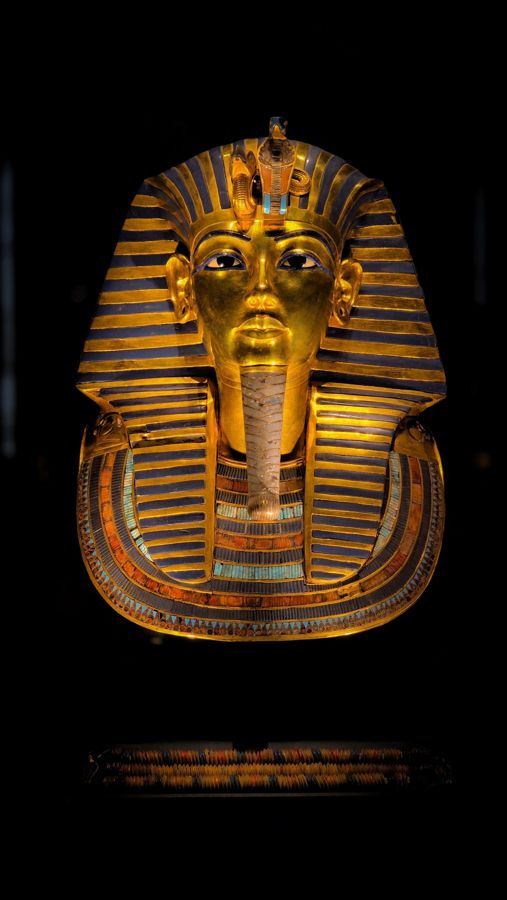
The boats are part of the museum's collection and have their own area according to its own overview. You don't need an additional ticket for that: the museum entry includes this area, just as it includes the Tutankhamun galleries and the main galleries. The museum is open daily, on Wednesdays and Saturdays until evening, and last admission is one hour before closing.
What you no longer need, on the other hand, is the former extra ticket for the boat museum on the plateau. It still appears in older price lists, and asking for it at the ticket counter will get you a shake of the head.
For the order of the day, this leads to a recommendation that sounds different from the usual one. If you want to see the boat, the plateau and the museum belong together, and not just logistically: on the site you see the empty pits on the south side of the pyramid, in the museum what lay in them. This order, first the pit, then the ship, makes a much stronger impression than the reverse.
A note on time is in order, because this area is underestimated. A forty-meter ship cannot be viewed in five minutes, and the ongoing assembly of the second boat demands additional attention. Plan for half an hour rather than a quick pass-by, and don't put this area at the end of a museum visit when concentration is already waning.
And if you can only manage one of the two: the pits are hard to read without the ship, the ship without the pits is not. In doubt, choose the museum.
The First Boat in Numbers
- Found
- in May 1954, south of the Great Pyramid of Khufu
- Condition of the pit
- unopened since the burial
- Individual pieces
- over a thousand, layered and ordered
- Length when assembled
- about forty meters
- Material
- cedar wood from Lebanon, joined without nails
- Today
- in the Grand Egyptian Museum, included in the entry fee
Pit and Ship in One Day
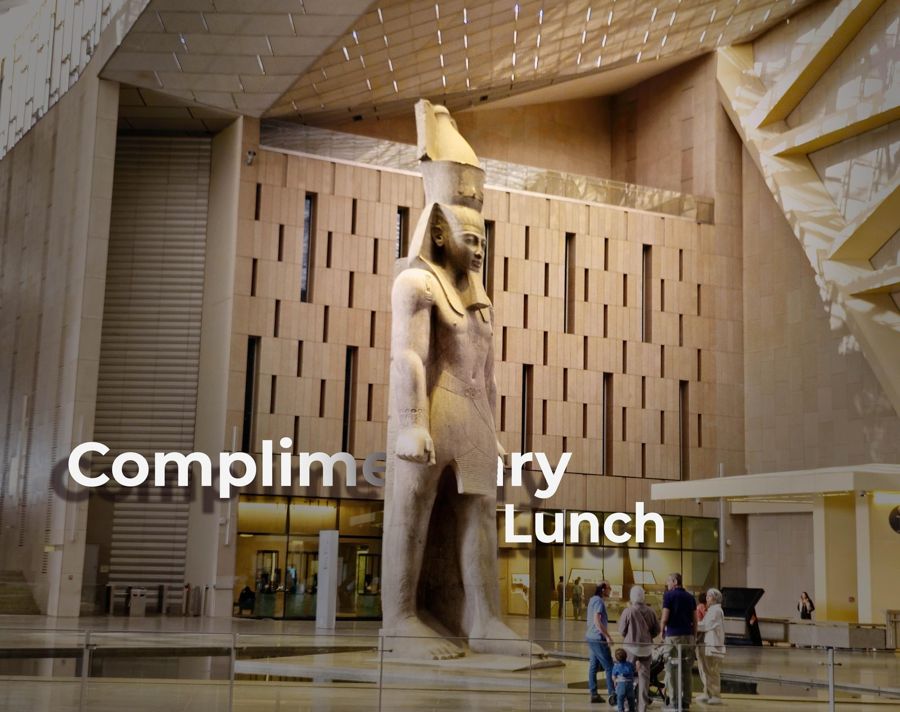
If you want to implement the order from the last section, i.e., first the empty pits at the monument and then the ship in the museum, you need both in one day: this day tour includes entry to the site, the museum, and the transfers in between.
Frequently asked questions
Is the solar boat still on the plateau?
No. It was moved to the Grand Egyptian Museum in 2021, and the boat museum on the plateau no longer exists.
Do I need a separate ticket for it?
No. The area belongs to the museum and is included in the museum entry.
What can you still see on the site?
The pits on the south side of the pyramid. They are empty but precisely cut into the rock.
Are there really two boats?
Yes. The second comes from a neighboring pit and is currently being assembled in the museum in front of the public.
Why was the ship buried dismantled?
That is open. What is certain is that it was placed in an orderly manner so that it could be reassembled.
Has it ever sailed?
That is also disputed. Traces on the wood are interpreted both as signs of use and otherwise.