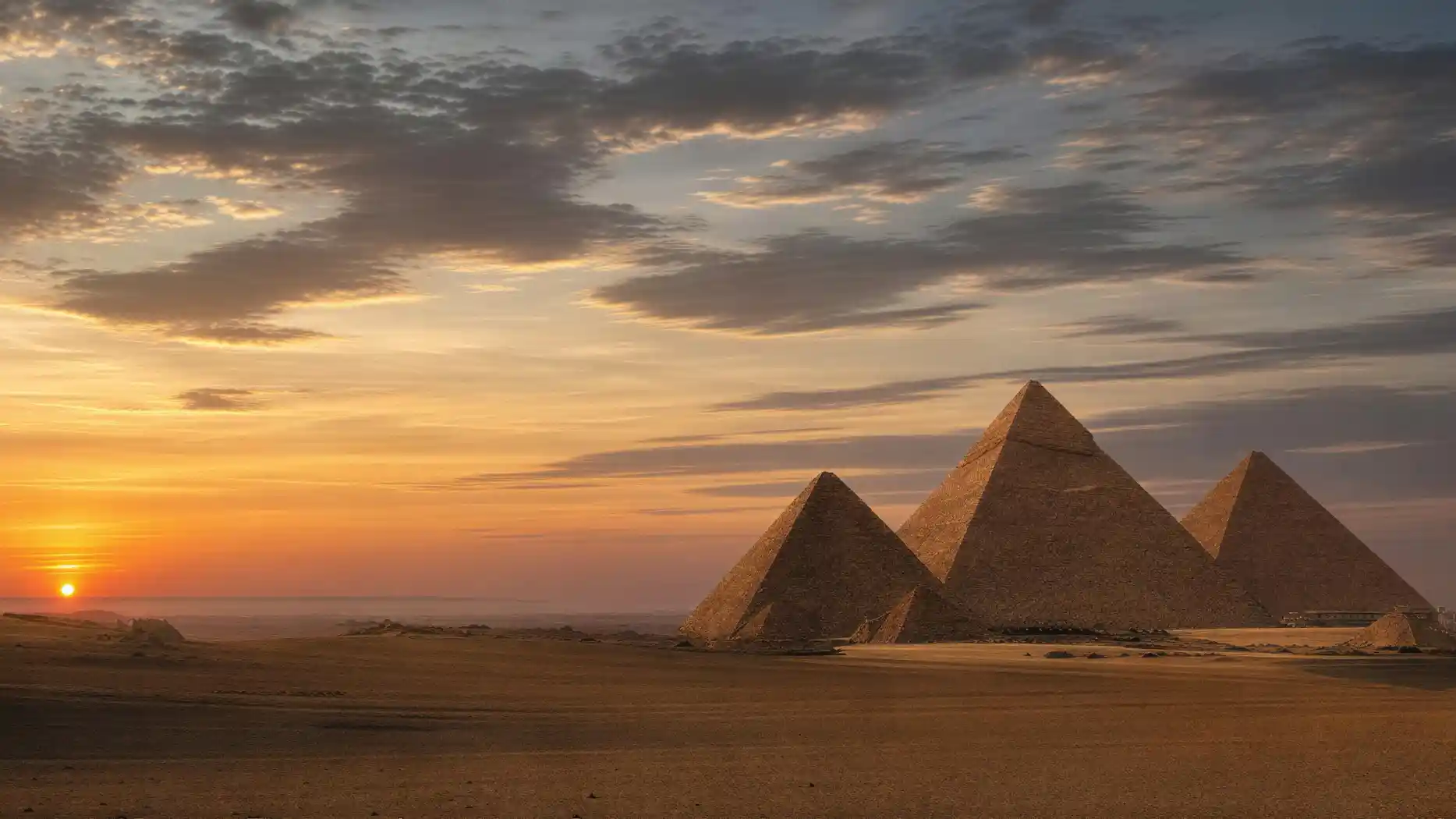
Photography rules and drones in Giza can be summed up in one sentence that surprises most people: photography is explicitly free, and the strictest regulations don't even concern the monuments.
When preparing for this visit, most people look for three things. Whether their own camera costs anything. Whether a tripod causes trouble. And whether the drone can come along. The answers are no, probably yes, and absolutely not, but the reasons are more interesting than the answers.
Because the real pitfalls lie elsewhere. There's a rule about photographing people that almost nobody knows and that requires written consent. There's a regulation that prohibits shots that could harm the country's reputation, and it's as vague as it sounds. And there's a list of devices that cause problems already at entry, which includes more than just drones.
This page goes through it all in order, always with the source, because there's a lot of half-knowledge circulating on this topic. We've passed some of it on ourselves and correct it here.
The rules at a glance
Sorted by how likely the case is to occur. The column on the right is the one missing from most overviews.
| What | Allowed? | What to expect |
|---|---|---|
| Phone, compact, DSLR, and mirrorless cameras, private use | Yes, free and without a permit | Nothing. This applies nationwide since a cabinet decision |
| Tripod | Not explicitly regulated officially | In practice, questions from the supervisory staff. In doubt, they decide on site |
| Photo umbrellas, artificial external lighting, setups in the way | Only with a permit | Explicitly mentioned in the decision. Without a permit, it's stopped |
| Commercial, advertising, and film shots | Only with a permit and for a fee | Separate tariff category of the administration |
| Shots of children | No | Explicit ban in the decision |
| Shots of Egyptian nationals | Only with written consent | Explicit requirement in the decision |
| Military, police, their vehicles and personnel, prisons | No | Confiscation of equipment and arrest |
| Drone, even just in luggage | No, even import is prohibited | Confiscation at customs and prosecution |
- Allowed?
- Yes, free and without a permit
- What to expect
- Nothing. This applies nationwide since a cabinet decision
- Allowed?
- Not explicitly regulated officially
- What to expect
- In practice, questions from the supervisory staff. In doubt, they decide on site
- Allowed?
- Only with a permit
- What to expect
- Explicitly mentioned in the decision. Without a permit, it's stopped
- Allowed?
- Only with a permit and for a fee
- What to expect
- Separate tariff category of the administration
- Allowed?
- No
- What to expect
- Explicit ban in the decision
- Allowed?
- Only with written consent
- What to expect
- Explicit requirement in the decision
- Allowed?
- No
- What to expect
- Confiscation of equipment and arrest
- Allowed?
- No, even import is prohibited
- What to expect
- Confiscation at customs and prosecution
Photography is allowed free of charge
To the first line, because it's the most common and because it's better than its reputation.
The Egyptian government has allowed photography for private use at all public places free of charge and without a permit, for locals and travelers alike, explicitly including classic cameras, digital cameras, and video cameras. So if you're wondering whether the big camera in your backpack incurs a fee: No, it doesn't, and that's official.
What the decision exempts is a short list, and here precision pays off. Literally mentioned are professional photo umbrellas, artificial external lighting, and equipment that occupies or blocks public paths. That's all.
A tripod is not listed there. This finding is uncomfortable because practically everywhere you read that the tripod is the boundary to requiring a permit, and because we ourselves have linked this exact wording to this source on several pages. The decision doesn't say that. What is true: A set-up tripod can fall under the third category if it blocks a path, and the supervisory staff decides that on site. What is also true: Reports consistently indicate that tripods are often objected to. Both together yield a practical recommendation, but not a legal situation, and the difference should be named.
Separately, there is a separate fee category for commercial, advertising, and film shots, as well as for shots in bridal and festive attire. The administration maintains a separate tariff page for this; the rates are tiered by type of shot and duration. What matters is not the camera, but the purpose.
One gap remains, and it concerns precisely the place where most people want to photograph: the interior of the structures. There is no centrally published rule for shots inside the interiors. What applies is enforced at the door and varies between the three pyramids and over time. Reports consistently indicate a stricter practice than outside, sometimes up to a complete ban. Only one thing is certain: Flash is unwanted there in any case, because the interiors have a conservation problem, not a photographic one. Ask at the entrance of the respective structure, and don't plan on shots you care about.
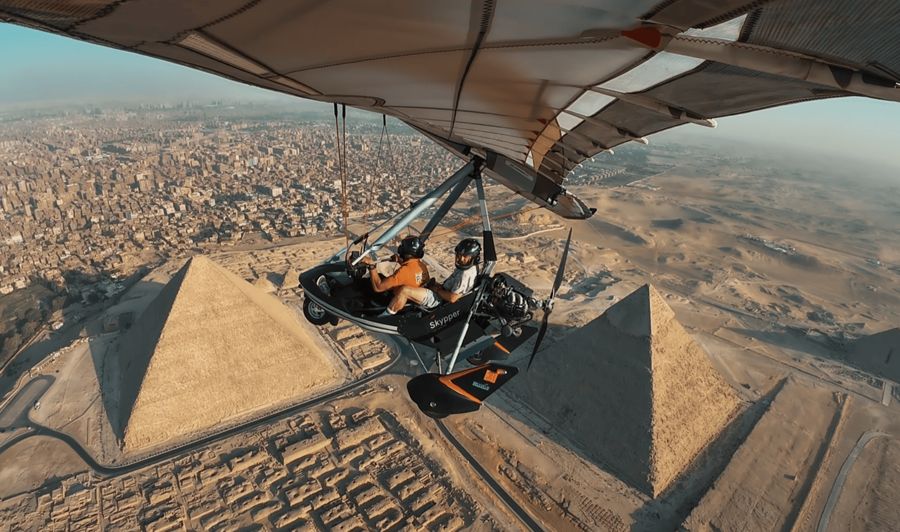
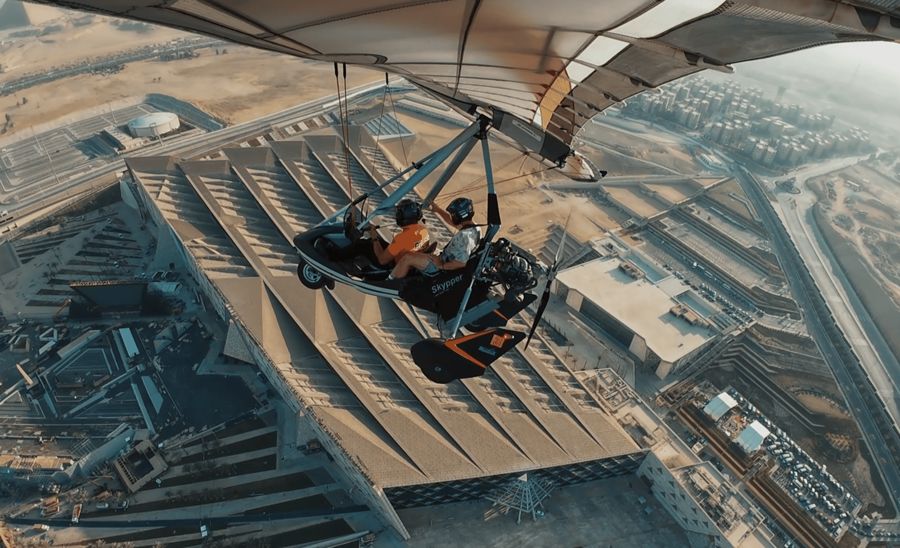
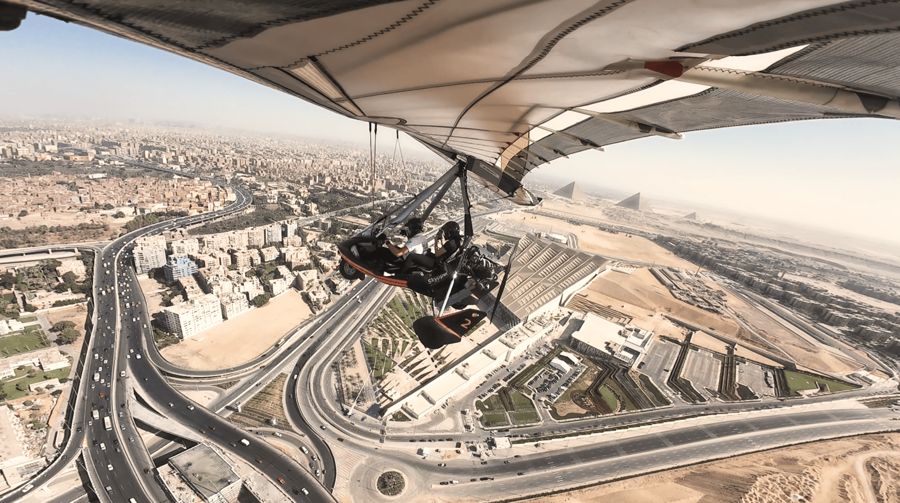
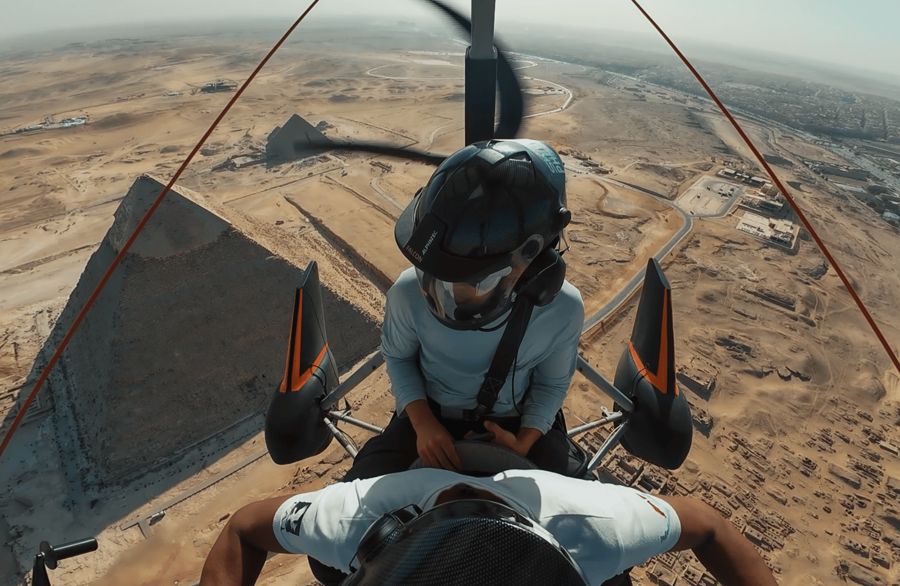
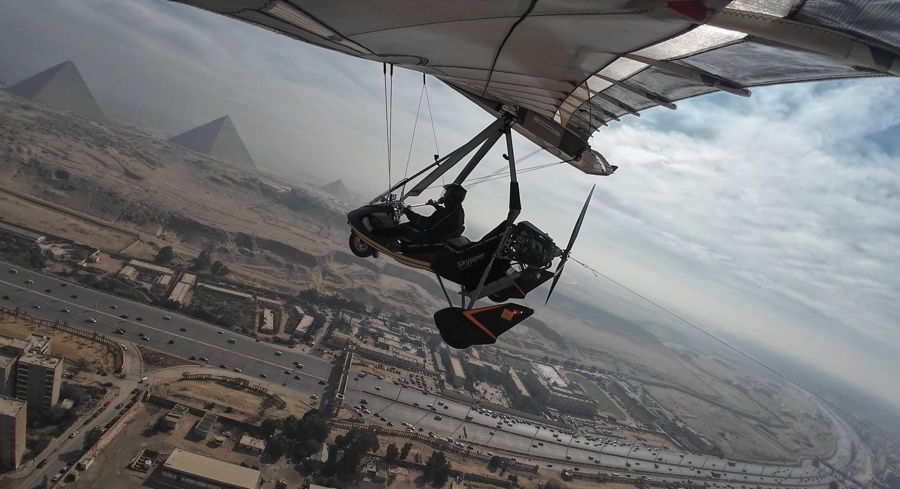
Ultralight flight over the plateau
- The only legal way to get your own aerial shot, since drones are out
- About a quarter of an hour in the air, so a program item, not half a day
- Starts near the site, the view of all three structures is the purpose of the flight
- According to the provider, cancellable free of charge up to 24 hours in advance
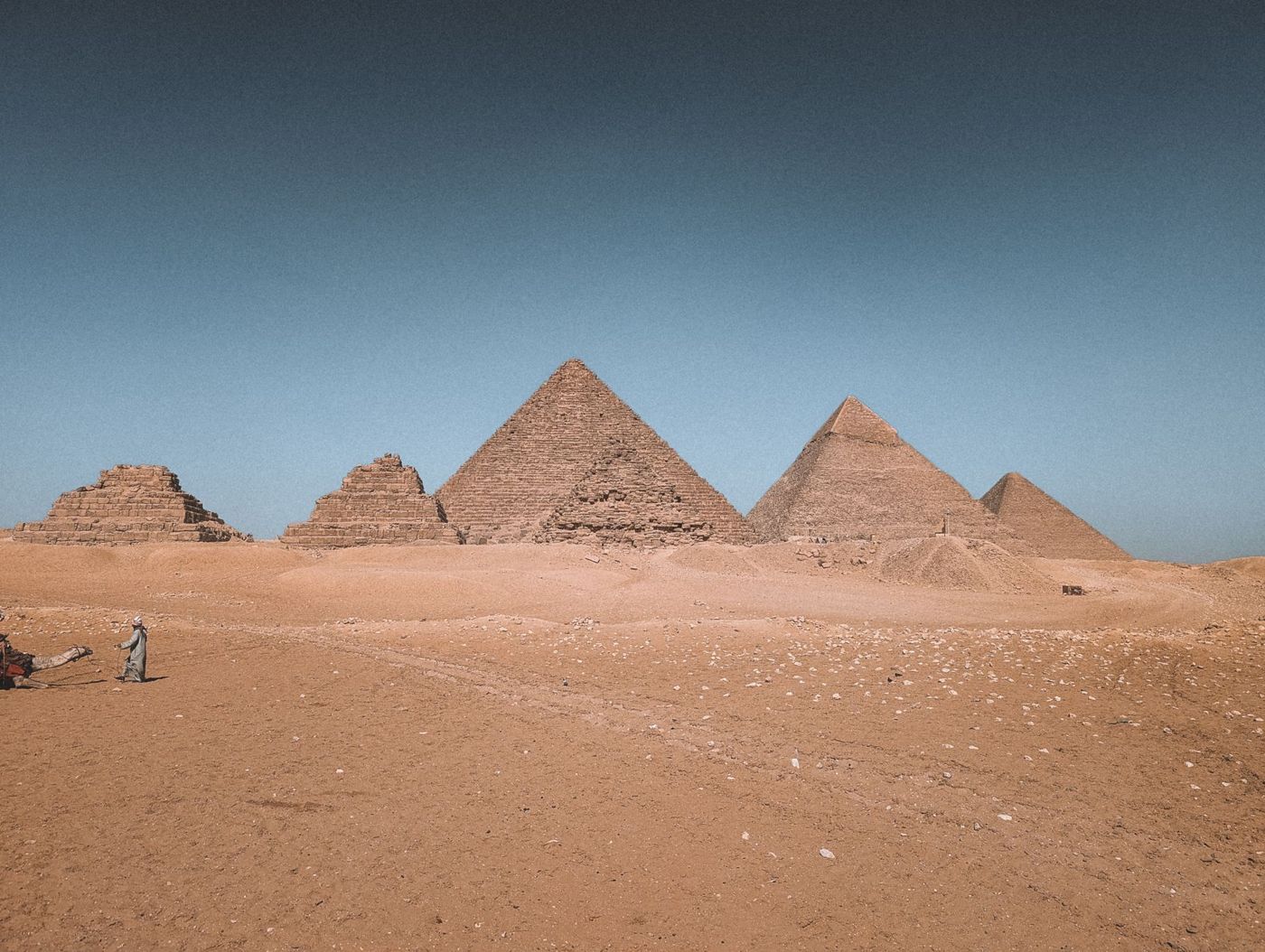
Drones: the answer is clear
Now to the drone, and here the answer is clearer than on any other point on this page.
You may not bring one. Not fly it, but already import it. The Federal Foreign Office puts it succinctly: The import of drones without prior permission from the Egyptian civil aviation authority is prohibited, and violations lead to confiscation and prosecution. This is based on a separate law, Law No. 216 of 2017 on the regulation of use, traffic, and trade with remote-controlled aircraft. It makes import, manufacture, possession, trade, and use subject to a permit, and according to the implementing provisions, the permit is granted by the Ministry of Defense.
In practice, this means: There is no way for travelers. No registration portal, no tourist regulation, no fee that solves the problem. If you have a drone in your suitcase, you risk it staying at the airport, regardless of whether you ever intended to unpack it.
A note on the dating, because sources differ. The year 2015 is common, and it comes from the specialist literature on field research. The formal law, on the other hand, dates to late 2017. Both can be reconciled if one assumes that an administrative practice preceded the law. For you, the year doesn't change anything; it's mentioned so that the discrepancy isn't read as a contradiction.
How seriously this is taken is shown by a look at the professional world. The Oxford project EAMENA, which documents endangered sites, explicitly notes the ban and describes what excavation teams use instead: kites, balloons, and camera poles. If research projects with official contacts take this detour, the situation for private individuals is non-negotiable.
The question remains how to get a shot from above then. The answer is a manned aircraft, and there are a handful of them at the plateau.
Three regulations nobody thinks about
That leaves the three regulations nobody thinks about and that are most likely to lead to an unpleasant situation.
The first concerns people. The decision explicitly prohibits shots of children, and Egyptian nationals may only be photographed with written consent. This is stricter than what travelers from Europe are used to, and it affects exactly the subjects that are obvious at the plateau: the camel driver, the family having a picnic, the school class in front of the Sphinx. A hand gesture and a glance are not enough for the regulation.
The second is the vaguest. Shots of scenes that could harm the country's reputation are prohibited, as is their distribution. What falls under this is nowhere defined. For a normal visit, this has no consequences, but it explains why you can expect questions when photographing poverty, garbage, or altercations.
The third has nothing to do with sights and has the harshest consequences. The Federal Foreign Office states that photographing and filming facilities, vehicles, and personnel of the military and police without permission is not allowed, as is the case with prisons, and that violations can lead to confiscation of equipment and arrest. On the way to the site, you pass checkpoints. The camera stays down there.
If you are approached anyway, the sequence is simple and works the same everywhere: stop, lower the device, don't argue, and delete the shot if asked. Arguing about the right to do so at a checkpoint is the most expensive way to get a result you can also have cheaper.
And one last point for tech travelers: Not only drones are tricky at import. The same official source also mentions diving and snorkeling robots, satellite phones, walkie-talkies, telescopic sights, and certain GPS-capable devices, with personally used smartphones exempted.
The only preparation that's really necessary
Leave the drone at home, pack the tripod only if you can do without it, and ask at the entrance about the rules for the interior, because they vary between structures. Everything else takes care of itself: your camera is free, and for shots of people, the simple rule applies: ask beforehand and accept a no.
Dust protection for the camera
At the plateau, fine sand is constantly in the air, and it collects during lens changes and in the backpack. A dustproof bag and a blower are more useful here than any additional lens.
Frequently asked questions
Does photographing at the site cost anything?
No. Private shots have been allowed free of charge and without a permit since a cabinet decision, even with larger cameras.
Can I use a tripod?
The decision does not mention tripods. In practice, they are often objected to, and the supervisory staff decides on site.
Can I bring a drone?
No. Even import without prior permission is prohibited and leads to confiscation and prosecution.
Can I photograph people?
Not children, and Egyptian nationals only with written consent. That is explicitly stated in the decision.
What applies at the checkpoints on the way?
Camera away. Shots of military, police, and their vehicles are prohibited without permission.
How do I legally get an aerial shot?
Only with a manned aircraft. A few flights are offered over the plateau for this purpose.