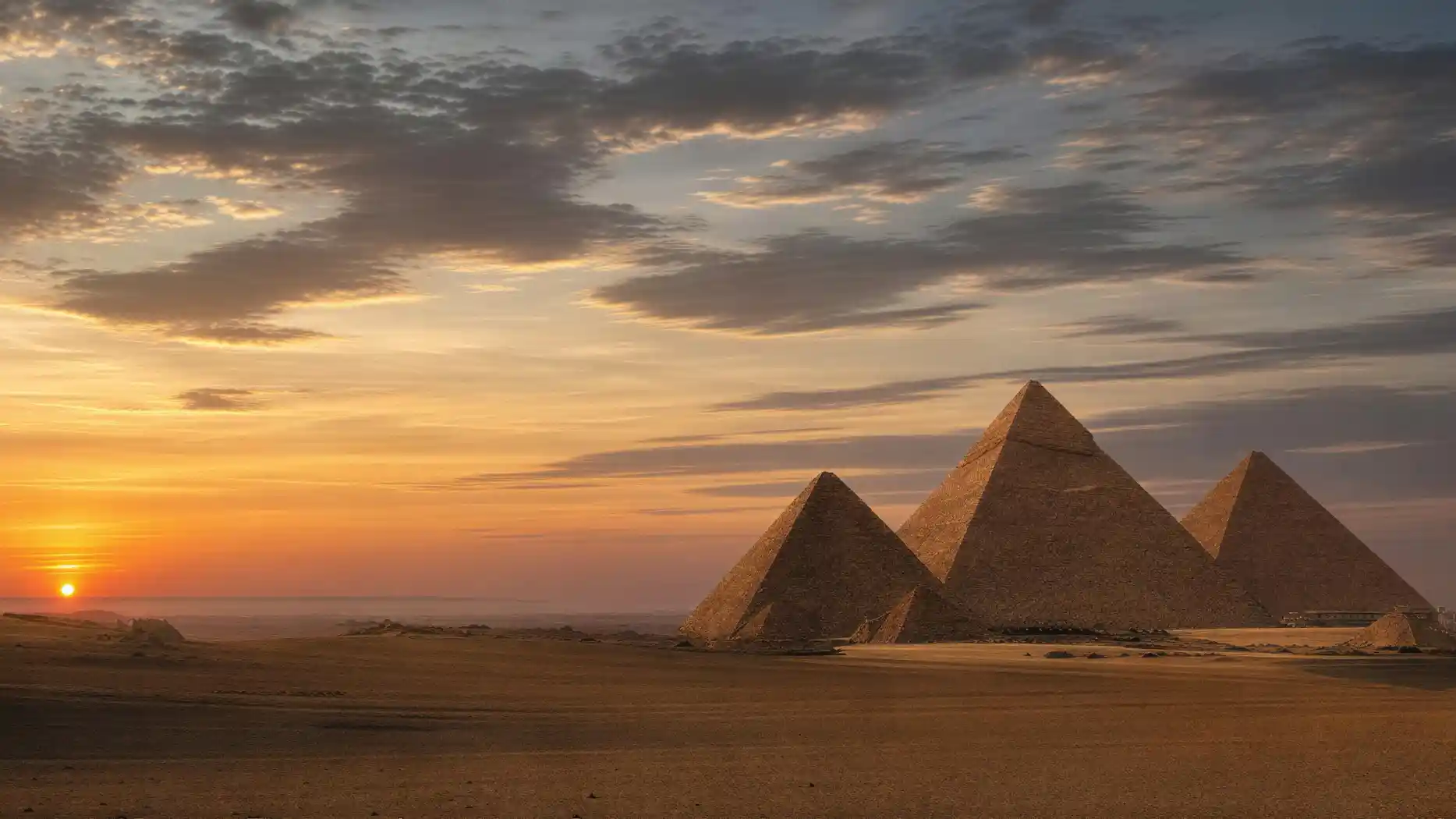
A photo shoot at the Pyramids of Giza rarely fails due to technical issues, but often due to a formality that no one mentions beforehand.
The good news first: for ordinary photos, you don't need anything. The Egyptian government has explicitly allowed photography with phones, compact cameras, DSLRs, or mirrorless cameras at monument sites, free of charge and without prior approval, as long as it's for private, non-commercial purposes.
The line isn't drawn at the camera, but at the equipment and the purpose. The decision explicitly mentions three things: professional photo umbrellas, artificial external lighting, and equipment that blocks or obstructs public paths. If you set up any of these, you need a permit. The same applies to anything intended for commercial use.
The tripod is not on this list, and at this point, this page deviates from almost everything else written on the subject. The phrase "the tripod is the limit" is widespread, but it cannot be substantiated in the wording of the regulation. In practice, it doesn't help you much: a set-up tripod occupies a path area and thus easily falls under the third category, and it is regularly objected to on site. So plan without one, but don't get into a discussion at the entrance about a rule that doesn't exist in this form.
This distinction is more important than it sounds because it clears up a common concern. You don't need a special permit just because you have a large camera. It's explicitly not the device that determines the permit requirement, but the accessories and the purpose. Someone arriving with a mirrorless camera and a lens is in the same position as someone with a phone.
And then there's the rule that this page is mainly about, because it's in no travel guide and is constantly relevant on the plateau: you can't simply photograph people.
What's Allowed Without a Permit and What Isn't
The classification follows the regulation that the Egyptian Cabinet has decided for monument sites.
| Activity | Permit Required? |
|---|---|
| Phone, compact, DSLR, or mirrorless camera, private use | No, free and without registration |
| Video recordings for private use | No, under the same conditions |
| Hot-shoe flash, umbrellas, artificial external lighting | Yes, explicitly mentioned in the decision |
| Tripod | Not mentioned in the decision, but often objected to on site |
| Shots for commercial use | Yes, must be applied for separately at the ministry |
| Setups that block paths | Yes, explicitly excluded |
| Portraits of Egyptian citizens | Yes, written consent of the person depicted |
- Permit Required?
- No, free and without registration
- Permit Required?
- No, under the same conditions
- Permit Required?
- Yes, explicitly mentioned in the decision
- Permit Required?
- Not mentioned in the decision, but often objected to on site
- Permit Required?
- Yes, must be applied for separately at the ministry
- Permit Required?
- Yes, explicitly excluded
- Permit Required?
- Yes, written consent of the person depicted
Handling on site varies. The tripod is the special case: the decision doesn't list it, but the supervisory staff often objects anyway. When in doubt, it's decided on site.
You Can't Simply Photograph People
The rule about people deserves its own explanation because it's stricter than what travelers from Europe are used to.
The ministry's decision explicitly states that Egyptian citizens may only be photographed with written consent. Additionally, photographing children is prohibited, and shots that could harm the country's reputation are also excluded.
On the plateau, this isn't just theory. Between the structures, camel drivers, vendors, supervisors, and cleaning staff work, and it's exactly these people that often make a picture interesting. If you photograph them, you're formally outside what the regulation allows, as long as no consent is given.
For German travelers, the difference to the situation at home is remarkable. In Germany, the right to one's own image also applies, but it practically only comes into play upon publication. Here, consent is required before the shot, and it should be in writing.
In practice, this is handled with a quick question and a tip, and that's where the second trap arises: if you shoot first and then get asked, you're negotiating from a weaker position. It's common for a sum to be demanded after the picture is in the can. Ask beforehand, agree beforehand, and expect that a no is also a no.
Why the rule is so strict can only be guessed, and this page doesn't speculate about it. What can be said is that it's part of the same decision that allowed private photography in the first place. The permission came with conditions, and this is one of them.
For shots where strangers only appear incidentally and small in the background, this isn't an issue. It's about portraits and images where a person is clearly the subject.
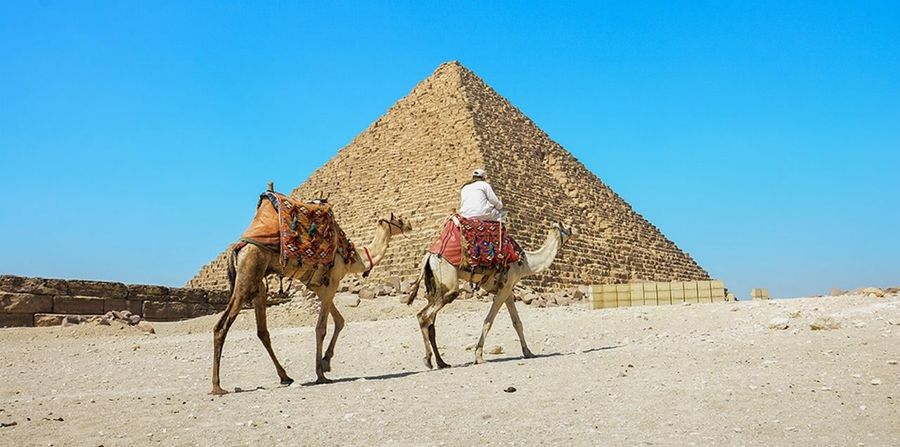
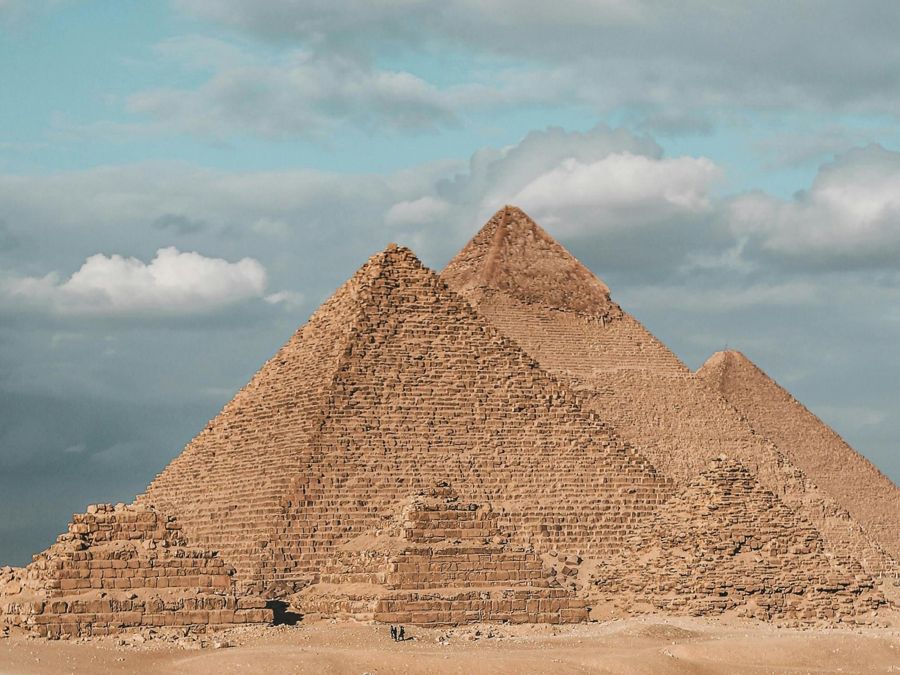
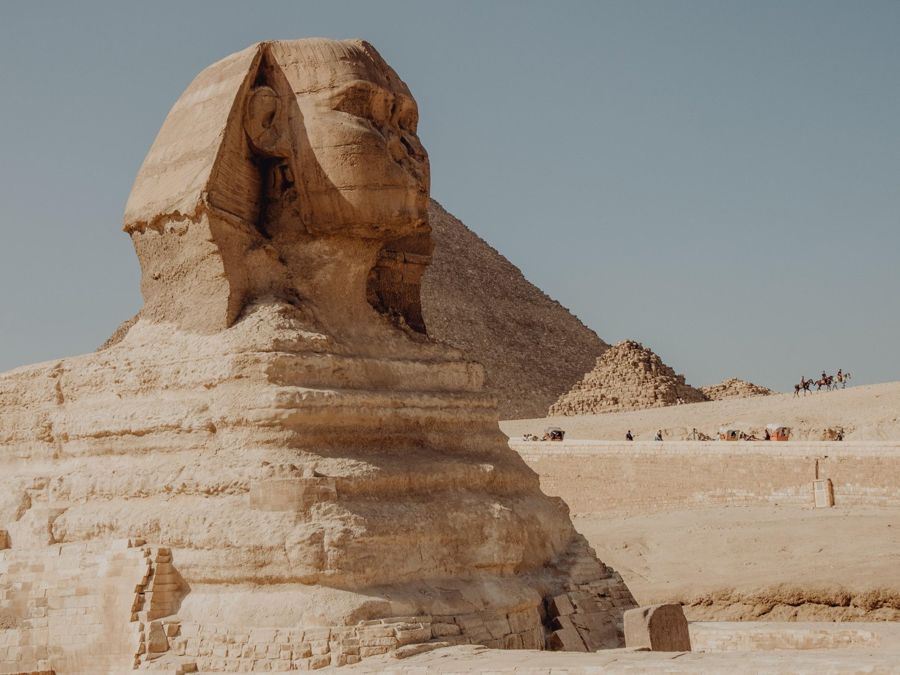
Privately Guided Day with Freely Selectable Duration
- Not a photo package, but time: three to eight hours that you manage yourself
- German-speaking guide and pickup, site entry included
- If you want to photograph in peace, you mainly need time at the spots, not equipment
- You won't be approached by other photographers on site because someone is with you
- Free cancellation up to 24 hours before start
When a Picture Becomes a Production
The question remains: when does a private picture become a production requiring a permit? The regulation draws the line at equipment, not intent, and that's good news for travelers.
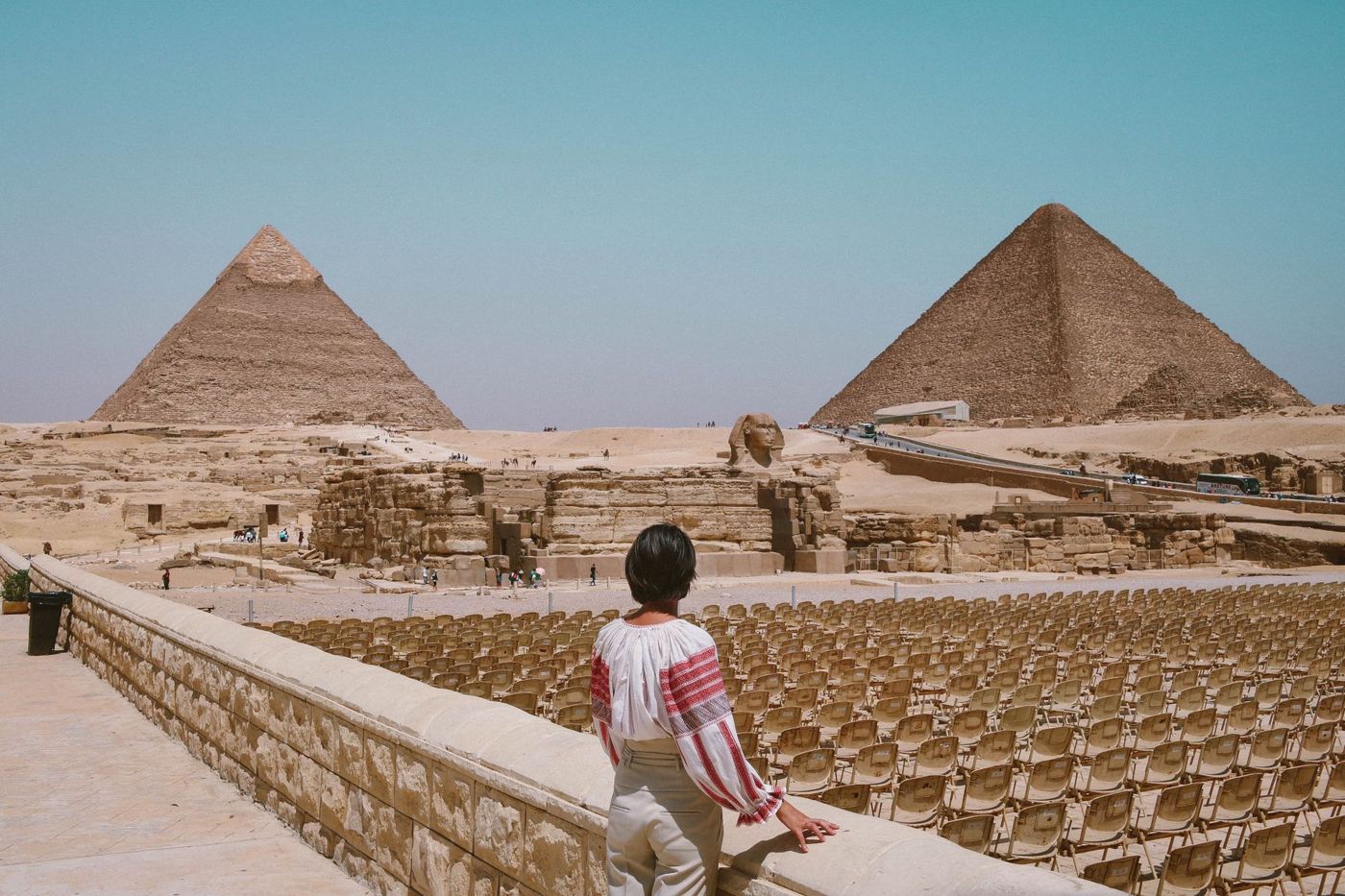
A couple photographing each other with their own camera against the backdrop needs nothing. A couple bringing a photographer who works handheld also doesn't. As soon as the same photographer sets up an umbrella or places a light, the situation changes. With a tripod, the regulation is less clear than practice: it's not on the exclusion list, but it's often prohibited anyway.
The situation is different for shots intended for later sale or promotion. A travel blog with ad revenue, a stock photo agency, an advertising campaign: as soon as money is made with the images, the commercial regulation applies, regardless of how small the camera was.
For wedding and engagement shoots, it gets confusing because the line between private and commercial naturally blurs. If you're planning something like that, you shouldn't try your luck but go through a local agency that obtains the permit in advance. The effort is manageable, while the risk without a permit is concrete: in the worst case, the session is stopped on site.
For the normal case, this means a reassuring all-clear. Most travelers looking for a photo shoot don't mean a production with assistants and light modifiers, but half an hour with someone who photographs better than they do. That's possible without any formalities, as long as it's done handheld.
Another point concerns the interior of the structures. A separate regulation applies there, which is clarified at the ticket counter and can change independently of the regulation for the open area. Don't rely on what was allowed outside.
A Session Is Mainly Time Planning
If you're planning a session, you're mainly planning time, and more than the actual shooting duration suggests.
The path from the gate to the structures isn't short, the site is vast, and between two motifs lie several hundred meters of open sand. If you want to cover three locations, you should set aside half a morning, not an hour and a half. The electric shuttle covers some of the distance but runs on its own schedule, not yours.
The second factor is light. In the morning, the sun is in the east and illuminates the northeast edges; in the late afternoon, it comes from the other side and models the west flanks. At noon, it's high, shadows fall steeply, and the structures look flat. For a session, the first hour after opening is the best, for two reasons at once: soft light and few people.
The third point is clothing. The ground is sand and gravel, it's dusty, and light fabrics show that immediately. If you want to pose in evening wear, you should bring a second pair of shoes and know that a train will look like it looks after twenty minutes.
A fifth point concerns being approached. People work on the site offering photos, and if you're visibly handling a camera, you'll be approached more often than other visitors. That's not a threat, but it costs time and concentration. If you're planning a session, you should factor in that someone will stand next to you between shots.
And fourth: wind. On the open plateau, it's almost always windy, which makes hair and light fabrics unpredictable and carries fine sand into any lens that's changed outdoors.
To Clarify Before the Session
- Do you need umbrellas or additional lighting? Then get a permit beforehand, otherwise do without. A tripod isn't in the regulation but is often objected to on site.
- Will the images be used commercially? Then it requires a permit regardless of equipment.
- Are portraits of local people planned? Then ask beforehand and clarify consent.
- How many locations do you want to cover, and does that fit into the time between opening and the heat?
- Is the interior part of the plan? Then clarify separately at the ticket counter.
- Who carries the equipment over several hundred meters of sand, and is water included?
Why Most Pictures Look Interchangeable
Regarding the motifs themselves, the idea persists that there are a handful of must-have shots. That's true, and it's also the reason why most shots look interchangeable.
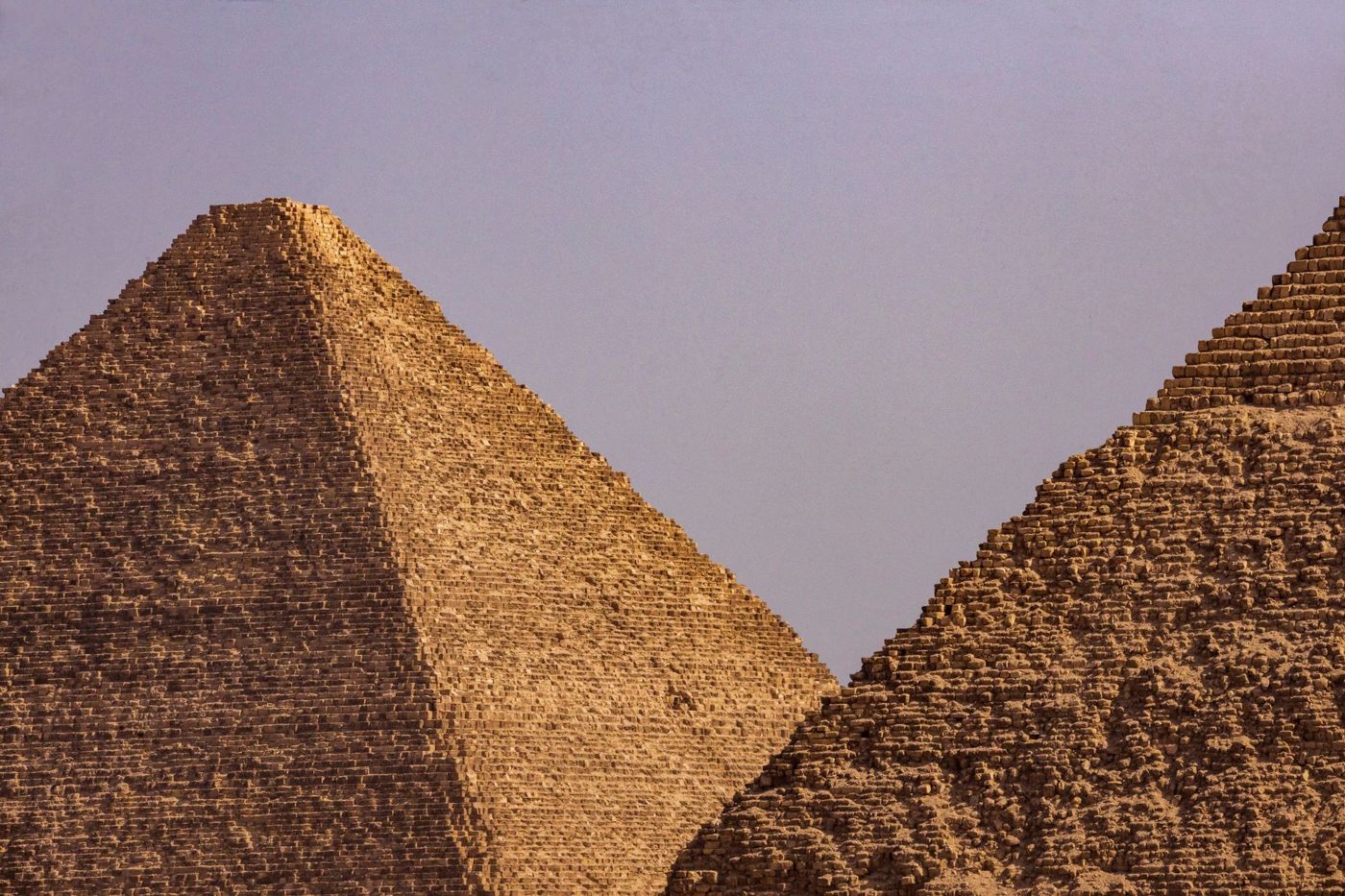
Good photo ideas for the Pyramids of Giza almost always arise from a deviation. Instead of the frontal view from afar, a close-up of a block edge where you grasp the scale. Instead of the silhouette against the light, the shadow line that a pyramid edge casts over the sand. Instead of the empty site, the contrast between the structure and the city edge, which tells the truth about the place better than any isolated postcard motif.
A second approach is scale through people. A single figure at the base of a flank makes the size comprehensible, while the same flank without a reference becomes a texture. For that, you don't need anyone unfamiliar: your own travel companion is enough, and the consent question doesn't arise.
A third approach uses the time of day instead of the position. The same edge looks completely different at low sun than two hours later, and if you're willing to stay in one spot and let the light wander, you'll get images that stand out from the crowd without walking an extra meter.
What you can skip are the staged perspective tricks where someone holds the pyramid tip between their fingers. They work, they've been done a hundred times, and they say nothing about the place.
Private Half-Day Tour of the Site
For shots, time is the crucial factor. With a private guide, you decide where and how long you stay; four hours, German-speaking, with pickup and plateau entry included.
Frequently asked questions
Does photographing on the plateau cost extra?
Not for private shots with a phone or camera. It becomes fee-based or permit-required for professional equipment and commercial use.
Can I bring a tripod?
The official regulation doesn't mention tripods; umbrellas, artificial external lighting, and setups that block paths are permit-required. In practice, a set-up tripod is often objected to anyway. Plan without one.
Can I photograph locals?
Not without consent. The regulation requires written consent for portraits of Egyptian citizens, and children are excluded.
Are wedding shots allowed?
Yes, with a permit. Because the line between private and commercial blurs here, going through a local agency is the safe route.
When is the best light?
In the first hour after opening and the last before closing. At noon, shadows are steep and the structures look flat.