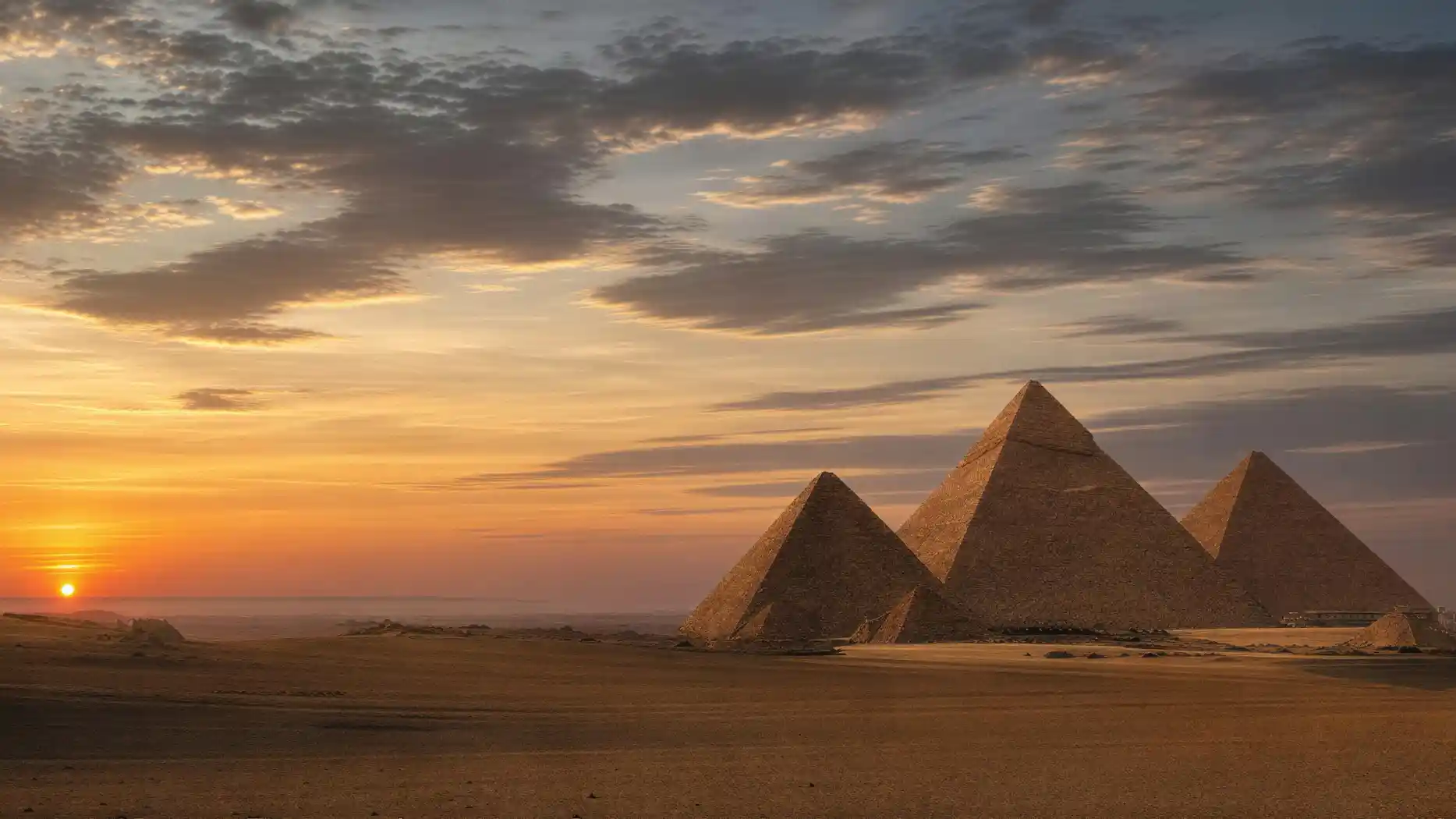
If you search for shots from inside, you'll find surprisingly few good ones, and there are three reasons for this, all related to the location.
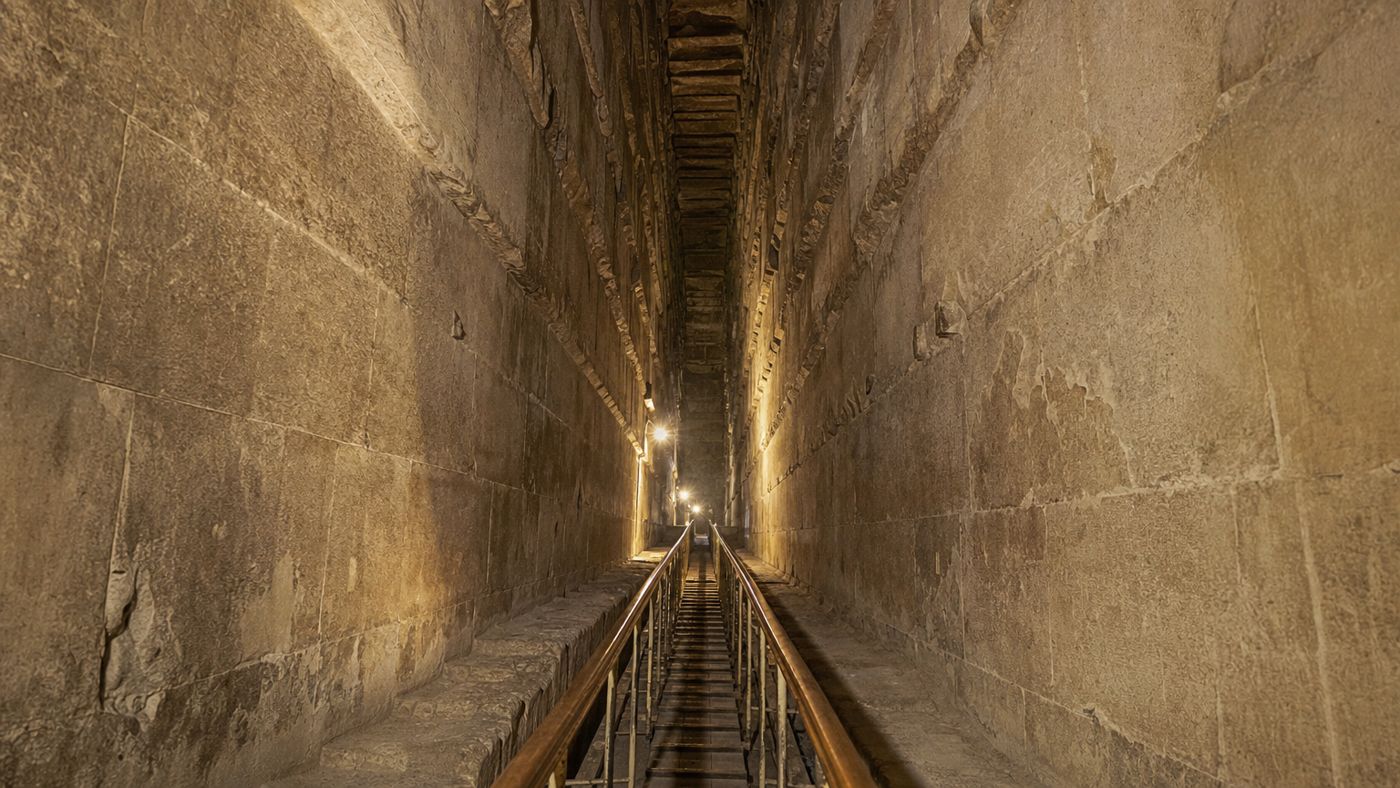
First, it's dark. The interiors are electrically lit, but functionally and dimly. Second, the spaces are narrow and tall, exactly the geometry that wide-angle lenses handle poorly. Third, tripods are not allowed, and without a tripod, steady shots are impossible in this light.
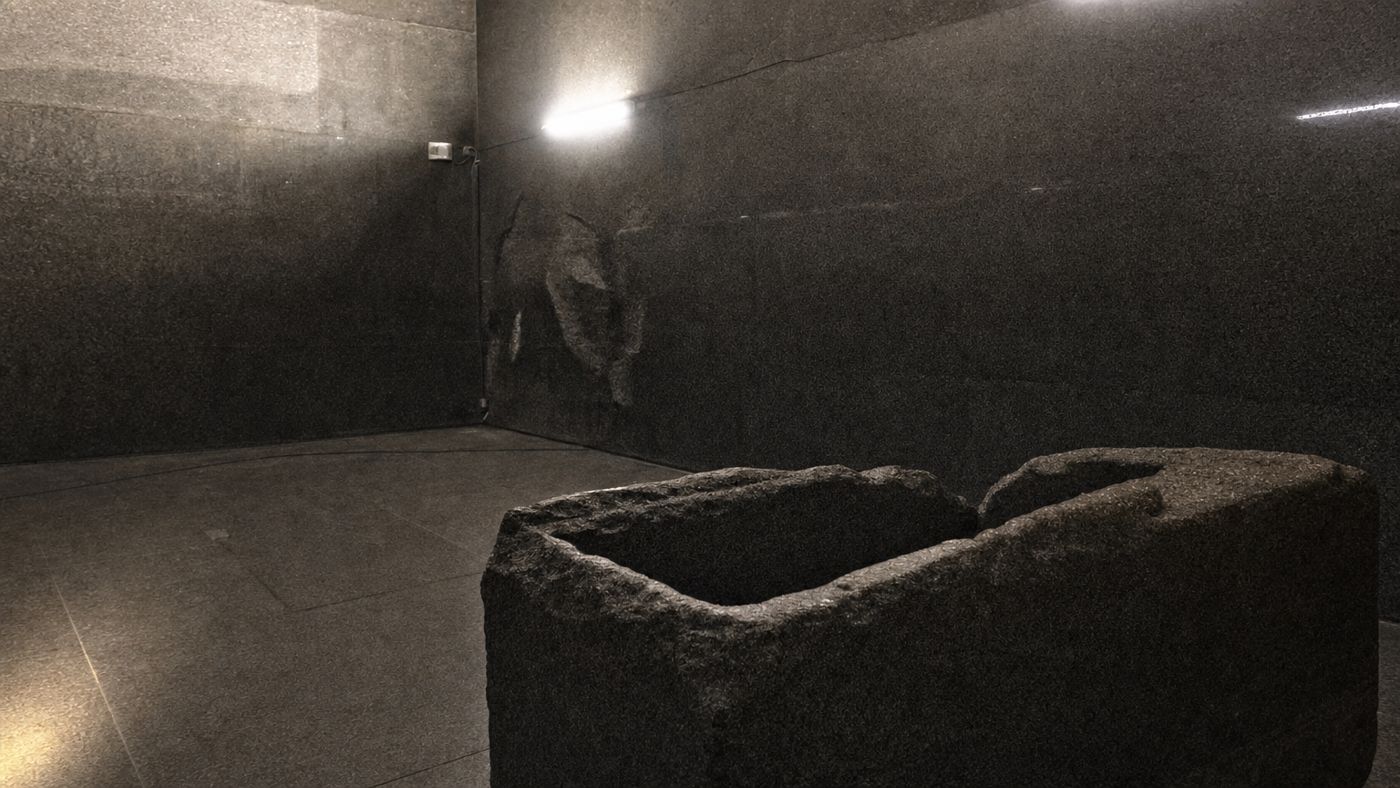
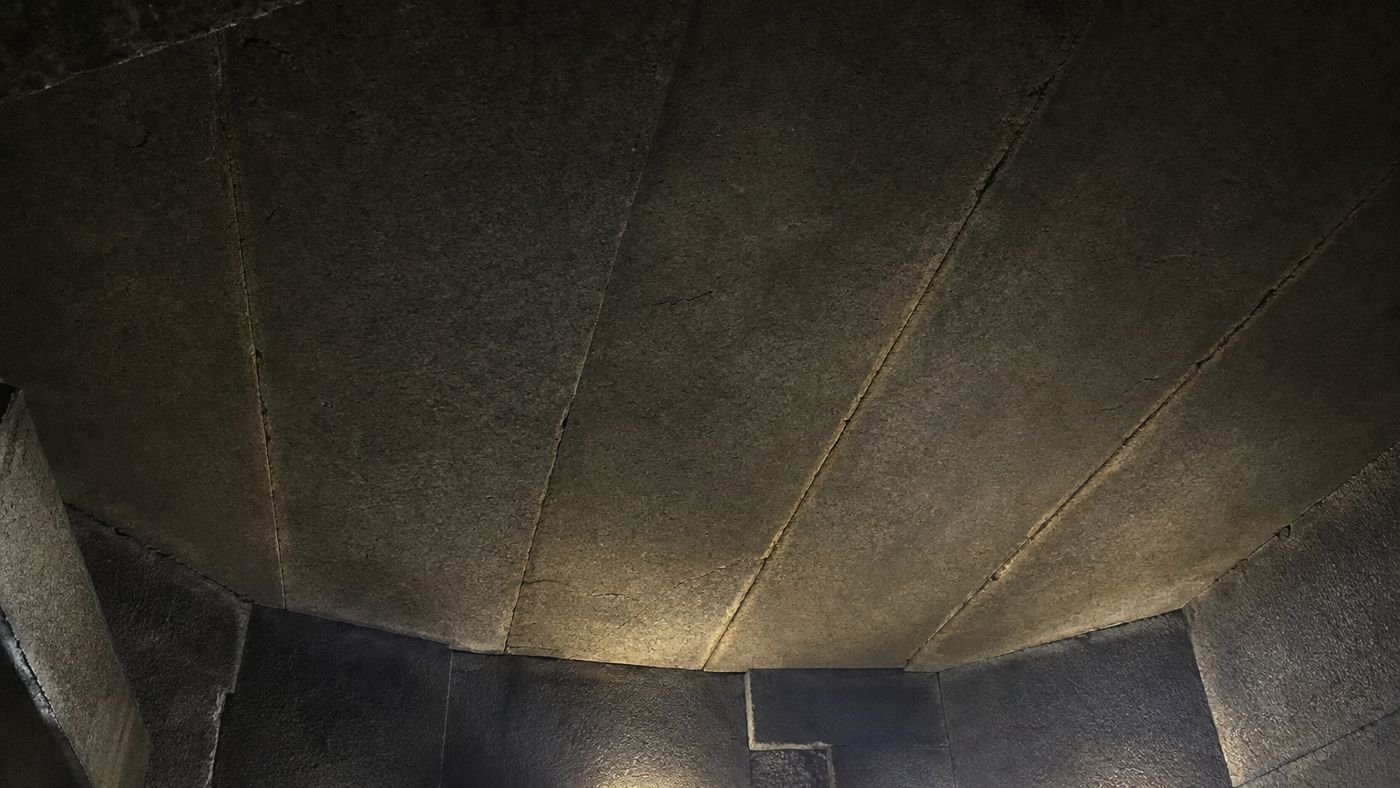
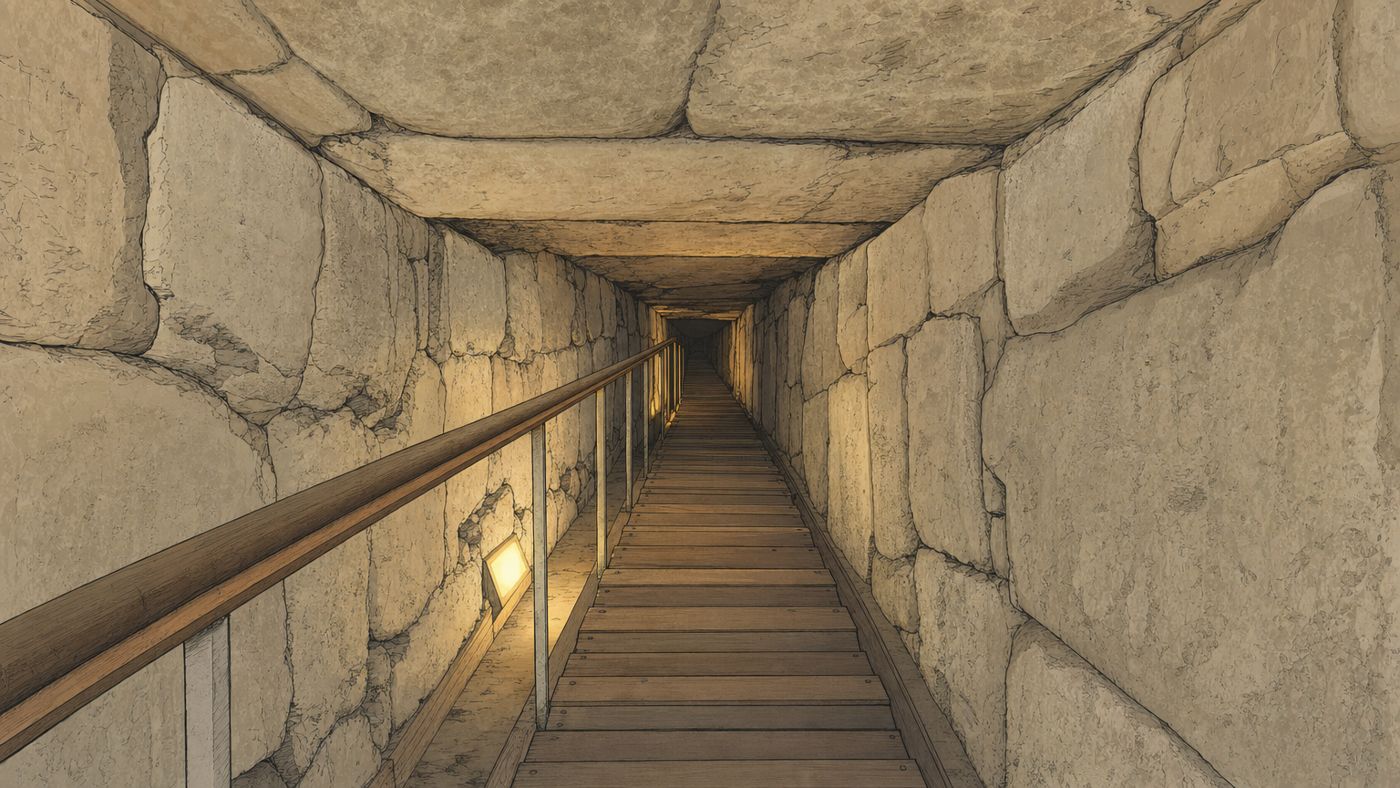
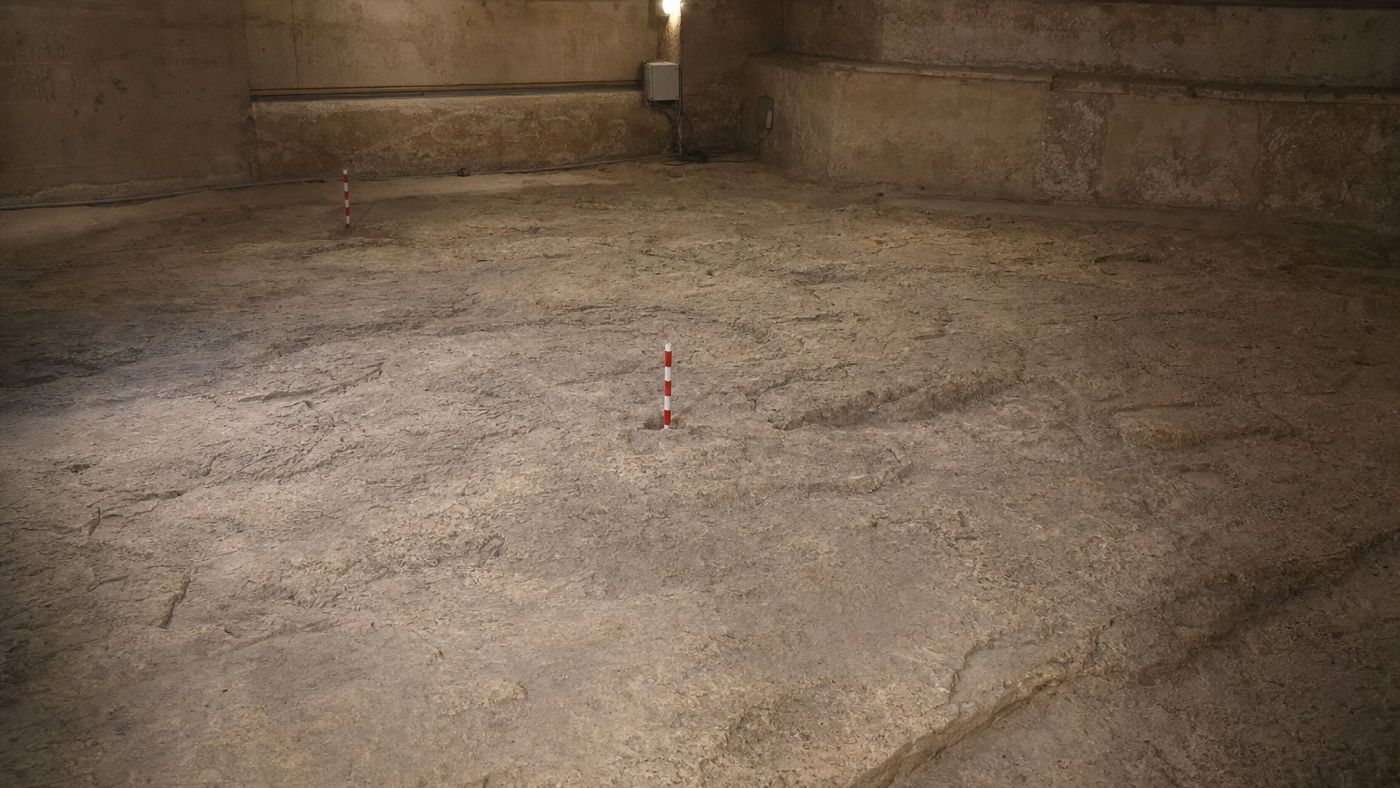
Add to that the subject itself. An interior view of the Giza pyramids shows bare stone. No colors, no reliefs, no objects. What defines the space is its size and the experience of standing in it, and neither translates well to a picture.
This page shows what views exist, what you can realistically capture yourself, and where the better images lie.
The Interiors in Pictures
Which Cameras Are Allowed
The rules for cameras are the second point where expectations fail, and they change.
For the plateau itself, the government has explicitly permitted photography with handheld cameras and phones, without a separate fee. This permission comes with conditions: no professional fill lights, no artificial lighting outdoors, nothing that blocks paths.
Inside, a stricter practice applies, enforced on site rather than centrally published. Reports consistently indicate that phone photos are tolerated, larger cameras are not allowed in, tripods are prohibited, and video recording is stopped. Don't rely on older online information or even this: ask at the entrance.
The practical advice, therefore, is to take your phone and leave everything else at the hotel. A large camera you need outside is, at best, dead weight inside, and at worst, a reason to turn back.
Plateau entry as a QR code on your phone
Covers the plateau, explicitly not the pyramid interiors. For that, a separate ticket is added on site.
How to Get a Usable Picture Inside
- Include a person in the shot. Without a scale, every one of these rooms looks small.
- Photograph the Grand Gallery lengthwise, not across. Only then is the height visible.
- Rest the phone against a wall or handrail instead of holding it free.
- Skip the flash. It lights up two meters of wall and swallows the rest.
- Expect oncoming traffic. The calm seconds come between two groups.
- Take more shots than necessary. In this light, the rejection rate is high.
The Better Images Come from Documentation
The better images come not from visitors, but from documentation, and some of it is freely accessible.
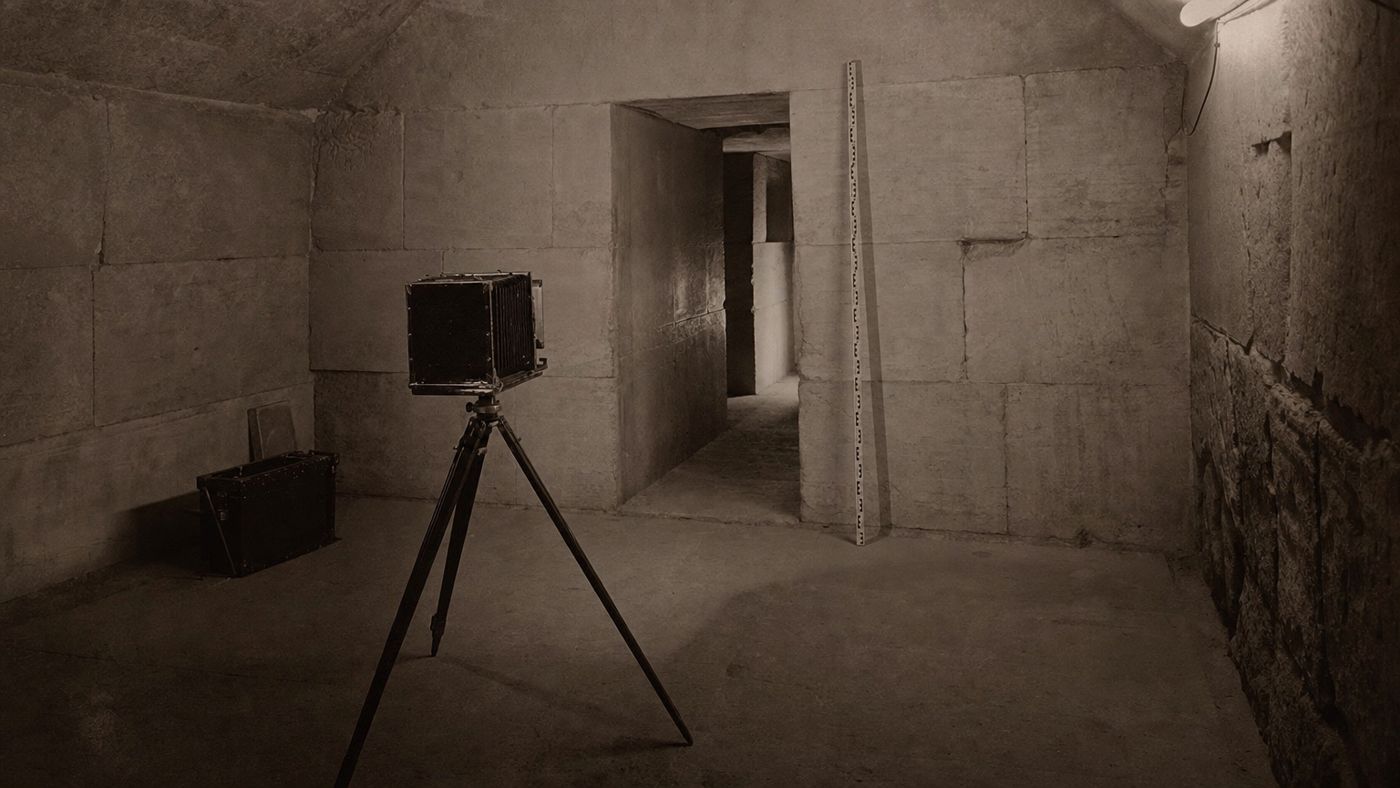
Excavation projects have photographed for over a hundred years with tripods, controlled light, and no time pressure. From these campaigns come views from angles that no one gets today: from restricted areas, before the current stairs and railings were installed, from the rock chamber deep beneath the structure.
Add to that a 3D model of the pyramid interiors, built from surveys and excavation data. The digital archive of Harvard University provides such models and allows perspectives that don't physically exist: from outside the masonry onto the freed-up passage system, vertically through the gallery, or into rooms that are closed.
For understanding the structure, these representations are clearly superior to your own photos. What they don't deliver is the narrowness, the warmth, and the smell of stone. For that, you have to go.
Photos from Inside Are Evidence, Not Pictures
One last point on expectations, and it determines whether you'll be satisfied with your shots.
Photos from inside almost never work as pictures, but as evidence. They don't show anyone anything beautiful; they show that you were there. That's perfectly fine, but it should be clear before you spend half an hour in the crowd hunting for the perfect angle.
If you want to bring back truly worthwhile images, take them outside. The edge of the casing, the joints at the base, the raking light on the stone courses late in the afternoon, the view up from the causeway: these are subjects where light, space, and time are on your side.
And inside, put the phone away after two or three shots. The half hour in the structure is short, the space is the real thing, and it can't be taken with you.
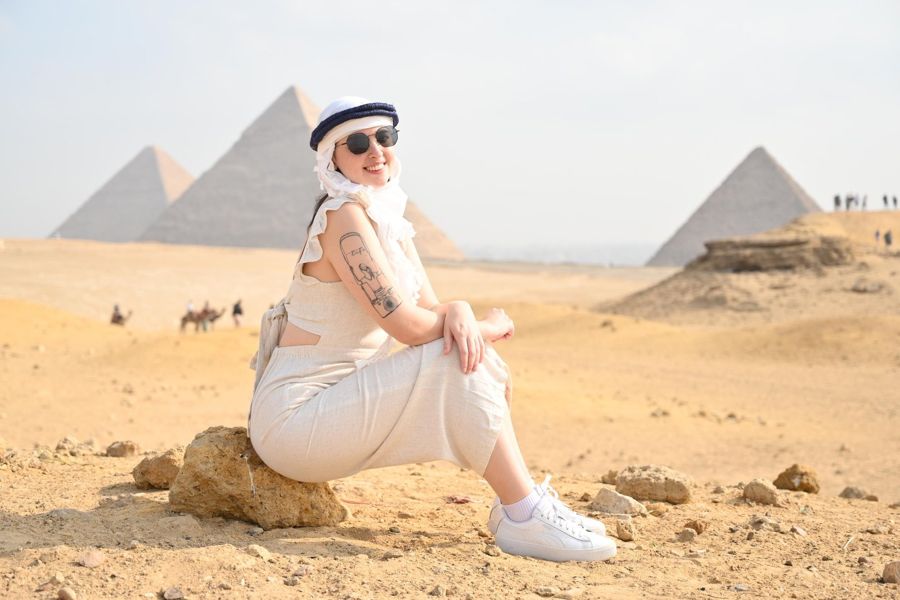
Guided day tour with option for interior visit
- The interior visit of the Great Pyramid of Khufu is available as an add-on
- The guide knows the current camera rules at the entrance
- Plateau entry, German-speaking guide, pickup, and lunch are included
- Free cancellation up to 24 hours before start