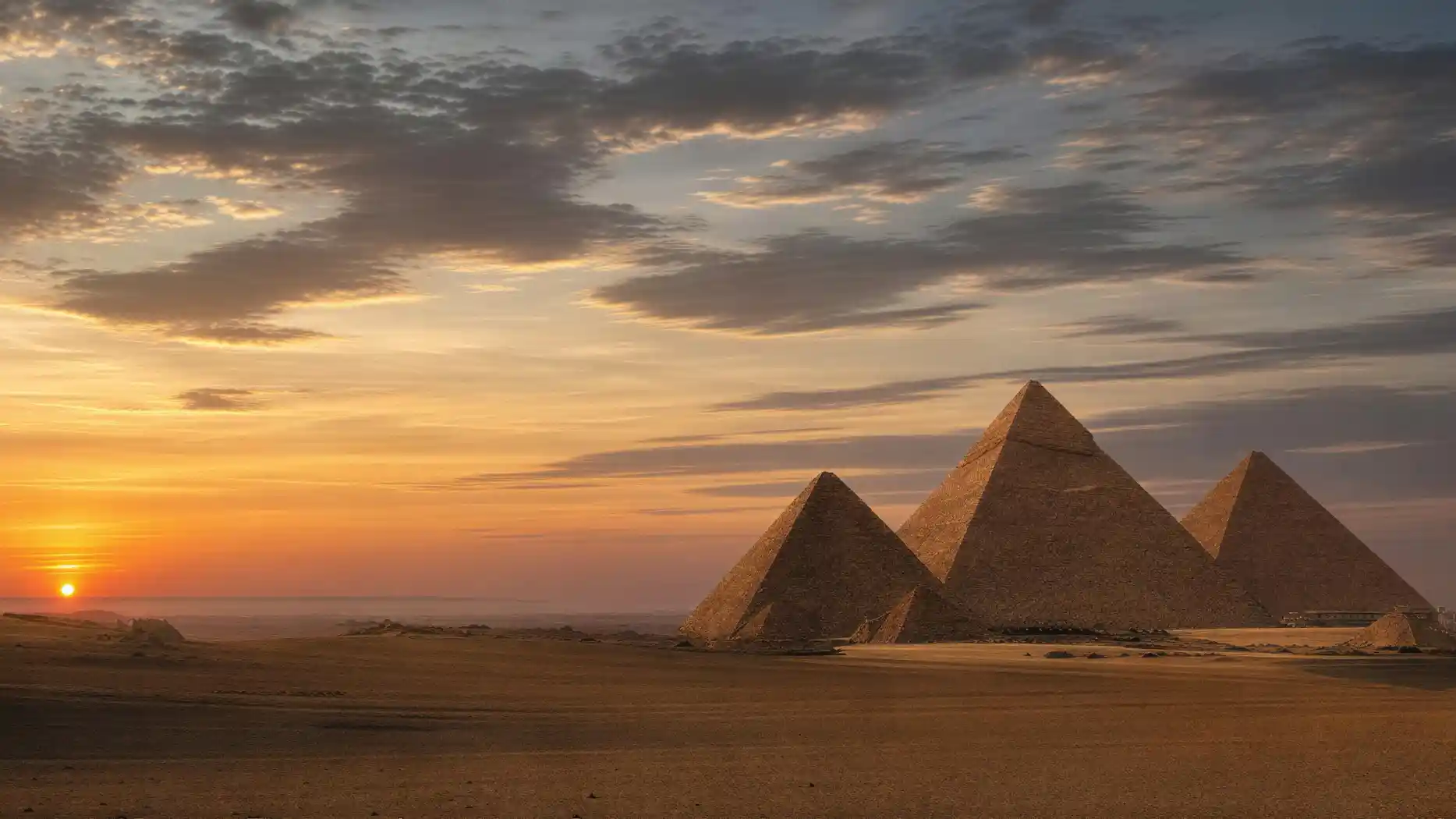
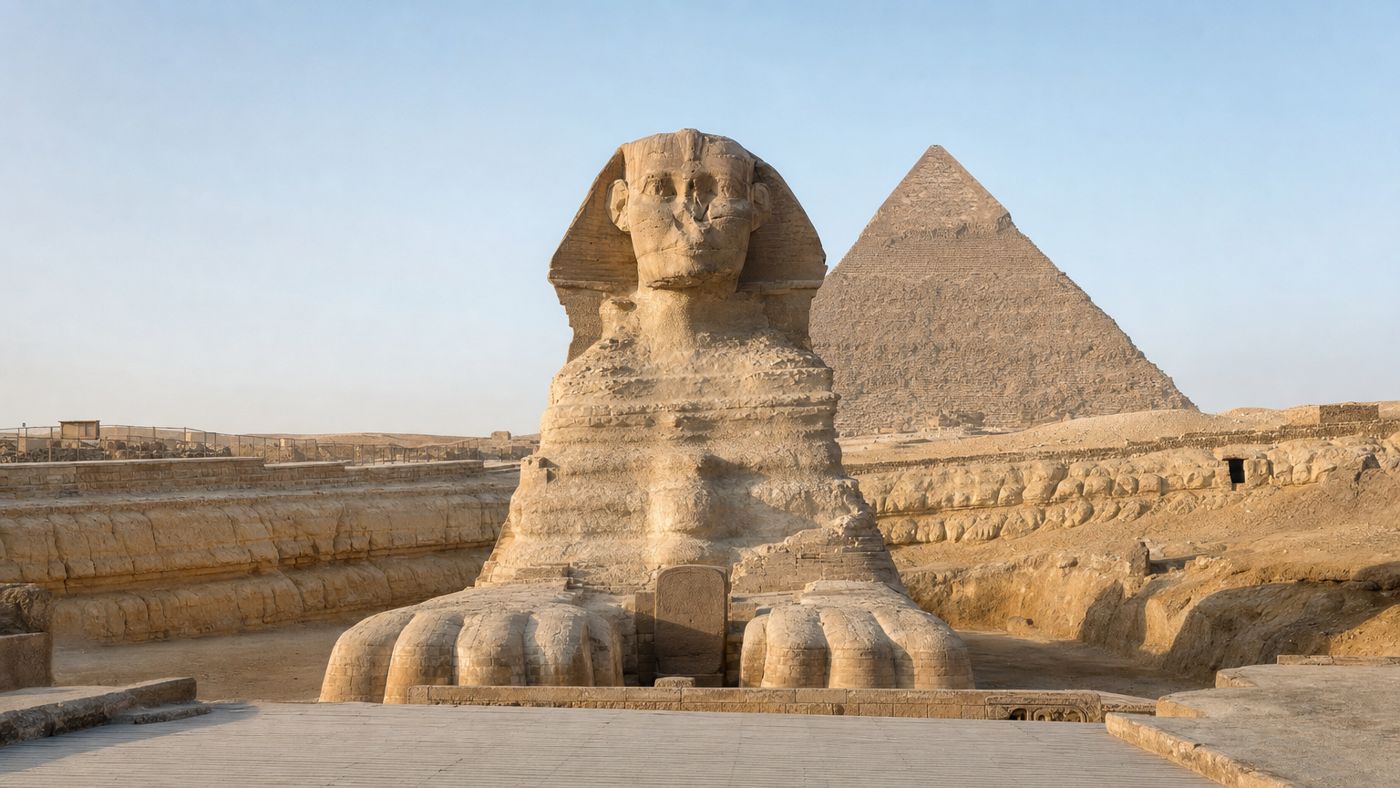
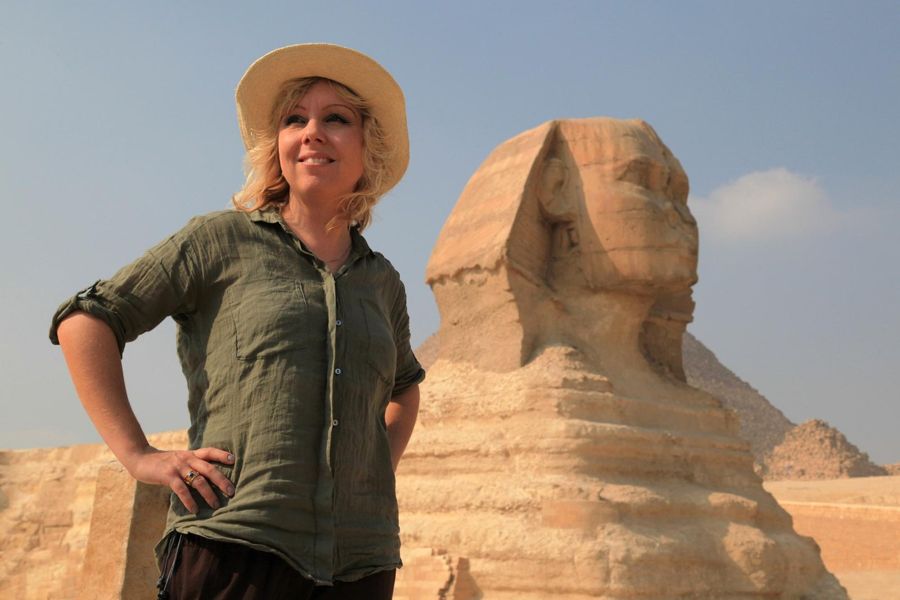
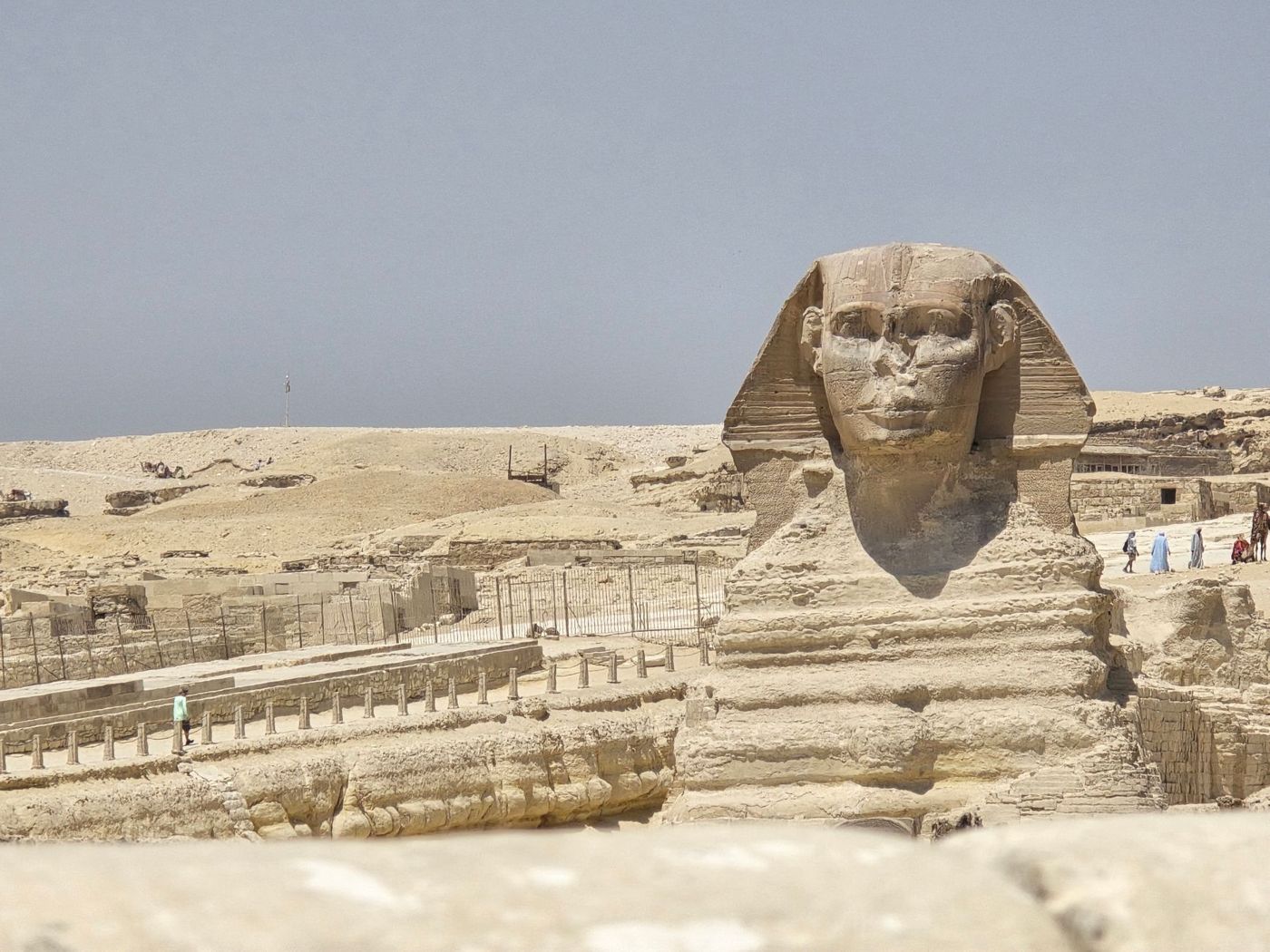
If you search for photos of the Sphinx in Giza, you almost always find the same shot: from the front, slightly elevated, with a pyramid over the left shoulder. There is a simple reason for that. This is the only spot from which visitors are allowed to take photos, and from most other places, they are not.
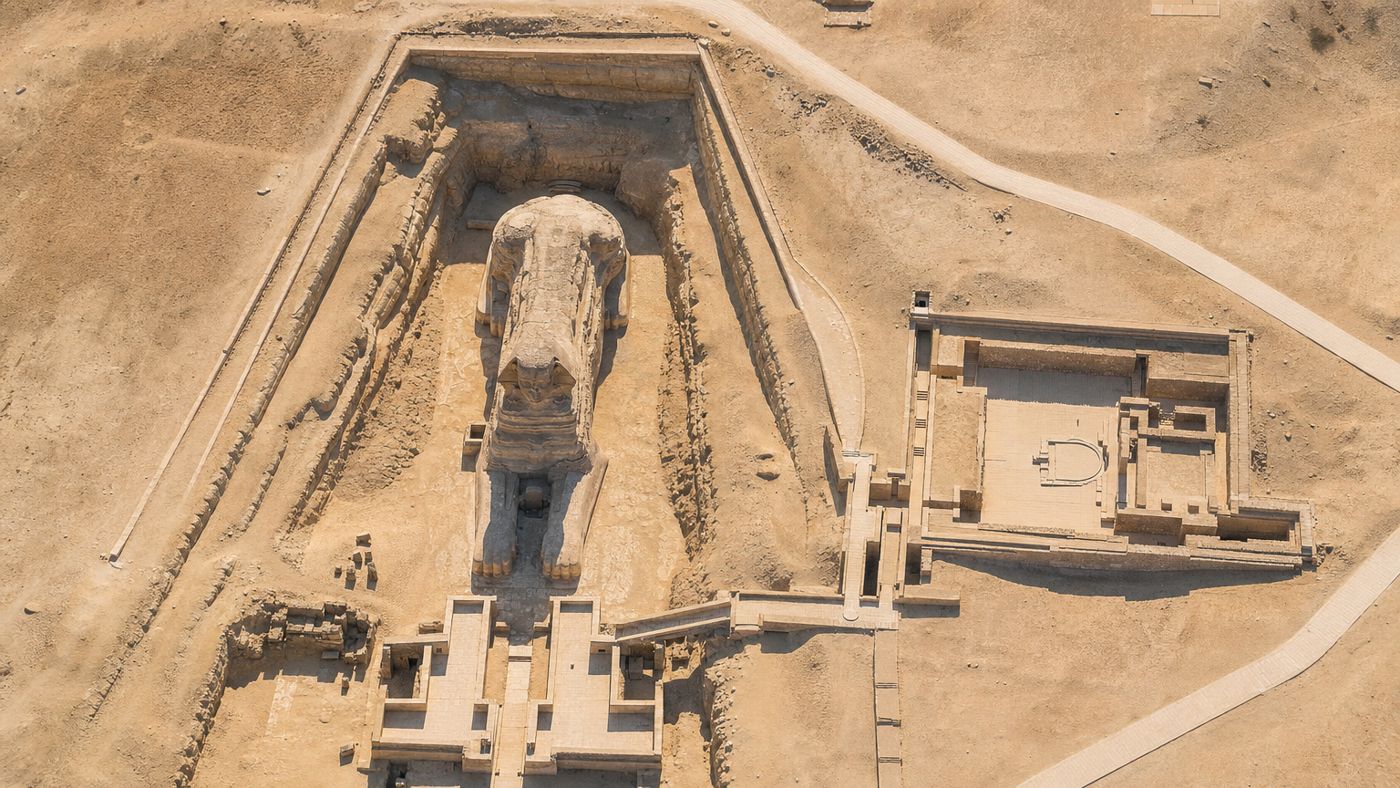
The figure sits in an excavated pit and is cordoned off all around. The access path ends at a terrace on the northeast corner, right next to the temple in front of it. All the pictures you can take yourself are taken from an angle of perhaps sixty degrees around this point. The variety of perspectives online largely comes from special permits, archives, or the air.
This page categorizes the views according to how they are created: which ones you can take yourself, which ones only work from a distance, and which ones are not possible at all.
The Views and Where They Occur
Close-up and Side View
Two views require more than just showing up and pressing the shutter.
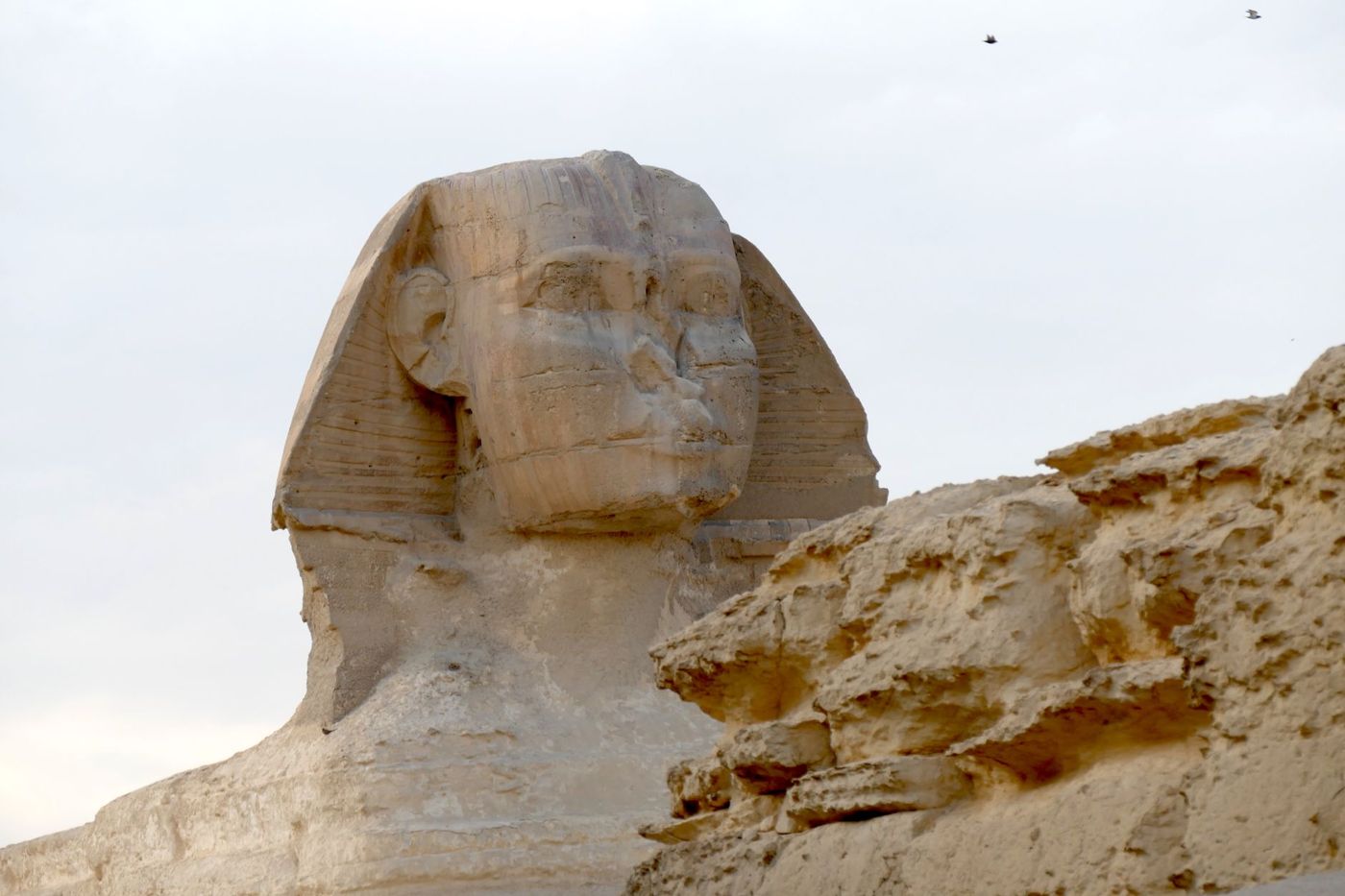
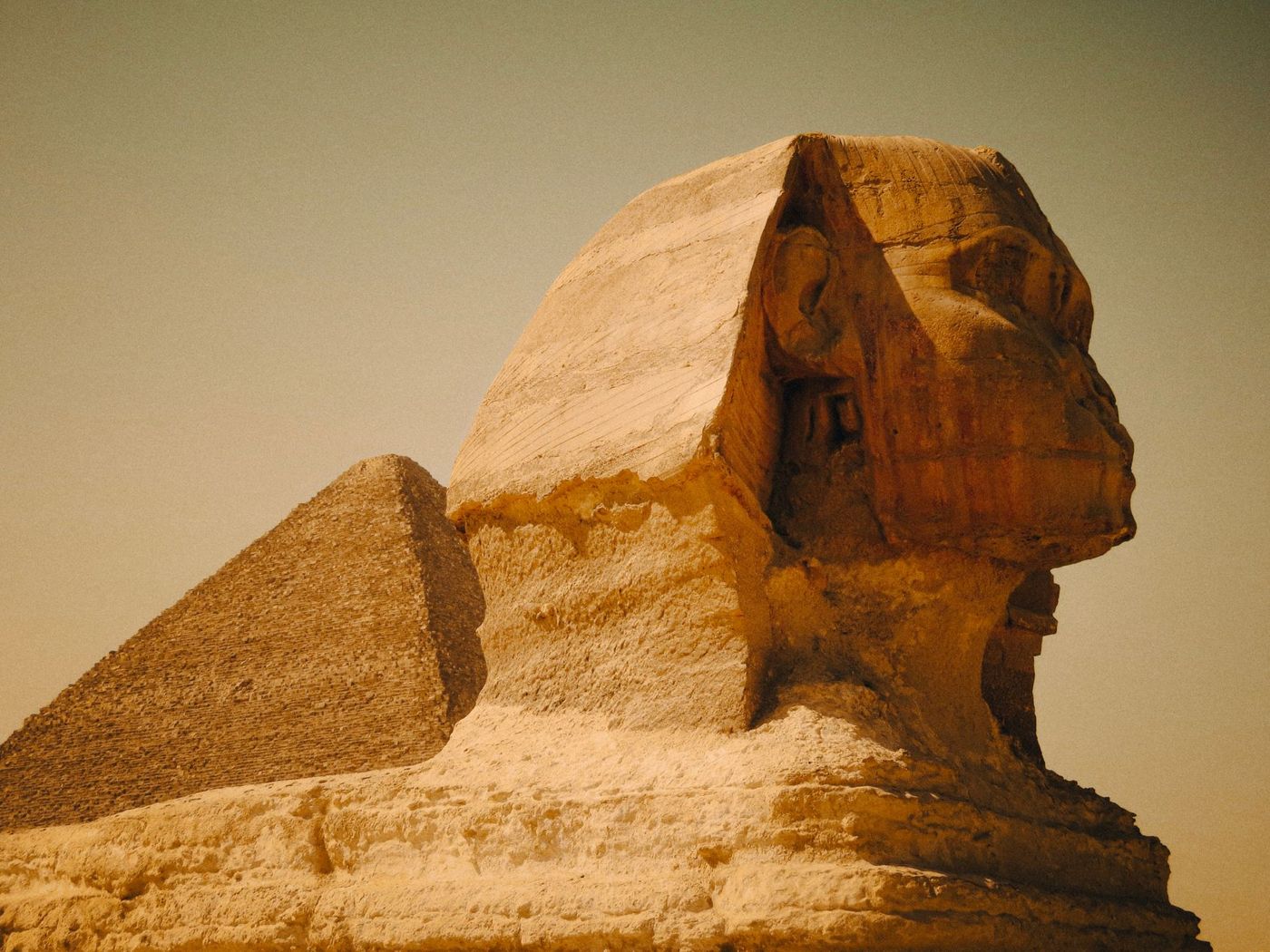
For a close-up of the Sphinx of Giza, you need a telephoto lens. From the edge of the terrace to the head is about a hundred meters, and you cannot get past the barriers. With a telephoto lens of at least 200mm, the head will fill the frame. With a smartphone, you will get a crop that falls apart when you zoom in. This is the most common cause of disappointment on site.
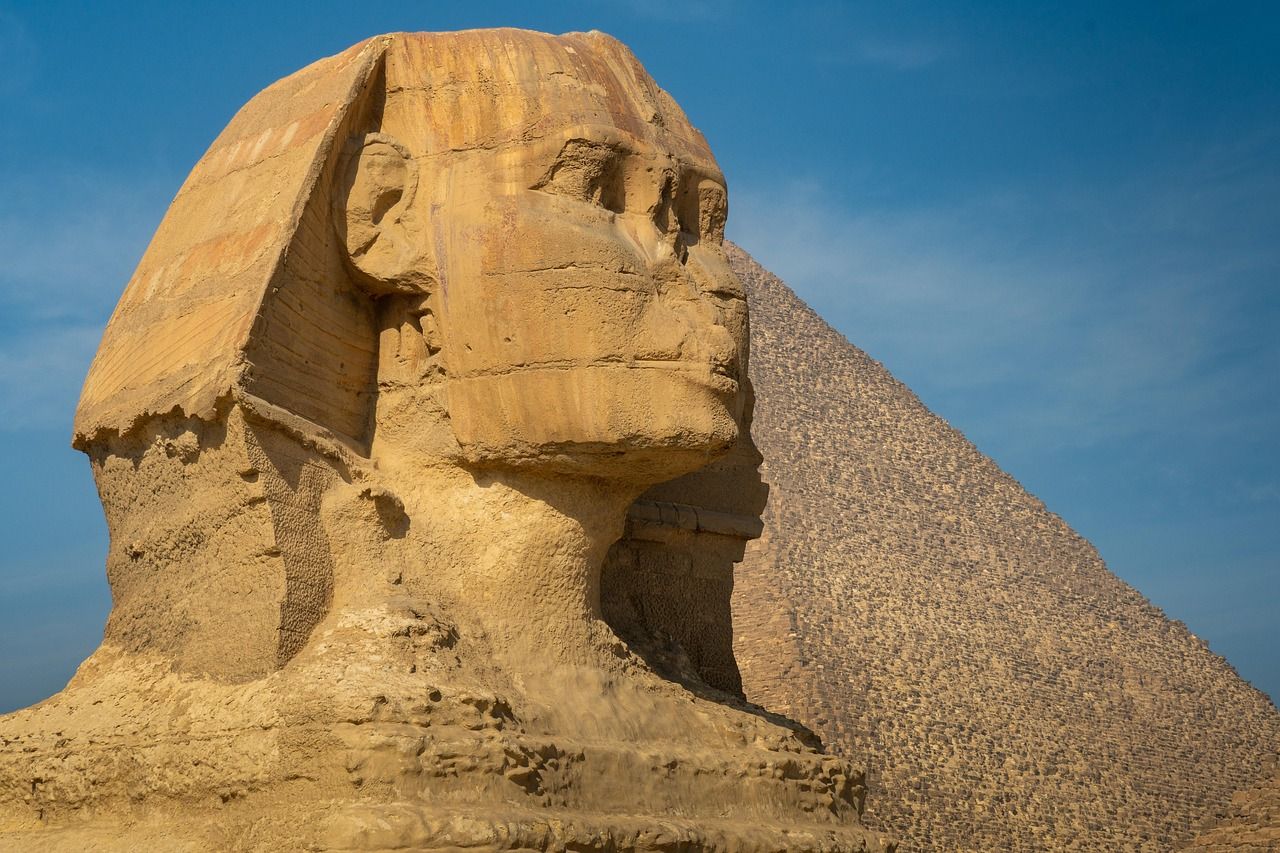
The side view of the Sphinx of Giza is the second challenge, as it requires a position south of the pit. The path there runs along the top of the slope, and depending on the barriers, the view may be partially obstructed. When it is clear, it is worth it: only in profile does it become clear that this is a stretched-out lion's body, not a head on a pedestal.
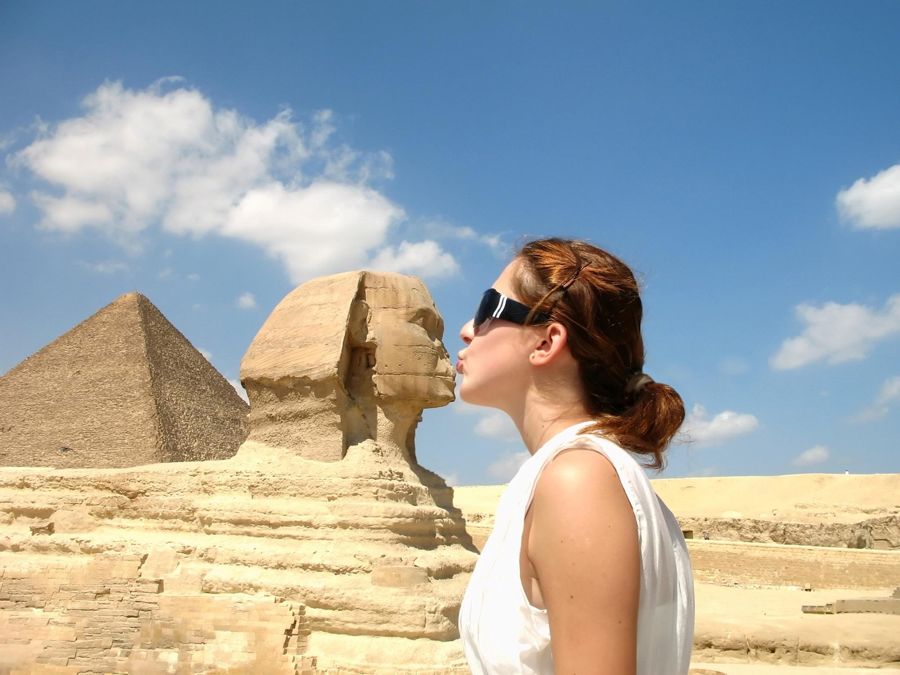
And then there is the matter of the pyramid in the background. In the classic shot, the figure seems to sit directly in front of one of the great monuments. In fact, there are several hundred meters in between, and the structure is not the largest but the middle one. The layered effect is achieved with a telephoto lens from a greater distance, not by being close.
Plateau entrance as a QR code on your phone
The terrace and the path above the pit are within the regular ticket area. There is no ticket office at the Sphinx gate itself.
Which View, When, and With What
The figure faces due east. This determines the entire daily schedule for pictures.
| View | Location | Best Time | What You Need |
|---|---|---|---|
| Frontal | Terrace on the northeast corner | Morning, sun on the figure's face | Wide-angle to standard lens |
| Profile | South, above the pit | Late afternoon, side light on the flank | Standard lens |
| Head close-up | Terrace | Morning | Telephoto from about 200mm |
| With pyramid behind | Further east, below the edge | Late afternoon | Telephoto, for the layered effect |
| From the air | Not possible yourself | N/A | Archive material or licensed image |
- Location
- Terrace on the northeast corner
- Best Time
- Morning, sun on the figure's face
- What You Need
- Wide-angle to standard lens
- Location
- South, above the pit
- Best Time
- Late afternoon, side light on the flank
- What You Need
- Standard lens
- Location
- Terrace
- Best Time
- Morning
- What You Need
- Telephoto from about 200mm
- Location
- Further east, below the edge
- Best Time
- Late afternoon
- What You Need
- Telephoto, for the layered effect
- Location
- Not possible yourself
- Best Time
- N/A
- What You Need
- Archive material or licensed image
In the morning, the sun is in front of the figure and illuminates the face. In the afternoon, it is behind, and the face is in shadow.
The Aerial Photo Causes Trouble
The aerial photo of the Sphinx of Giza deserves its own paragraph because it regularly causes trouble.
The operation of drones is generally prohibited in Egypt. Even importing them without prior permission from the civil aviation authority is a problem: the German Foreign Office explicitly points out that devices are confiscated at the airport and that fines or arrests are possible. Archaeological sites have additional regulations, so even a general permit would not help there.
In practice, this means: every aerial photo you see comes from an approved flight, a helicopter, or an archive. You cannot take one yourself, and attempting to do so will at best result in a missing device.
If you want to understand the site from above without dealing with image rights, there is still a way: from the higher ground to the west, you can look diagonally across the pit and at least see how the figure, temple, and causeway relate to each other.
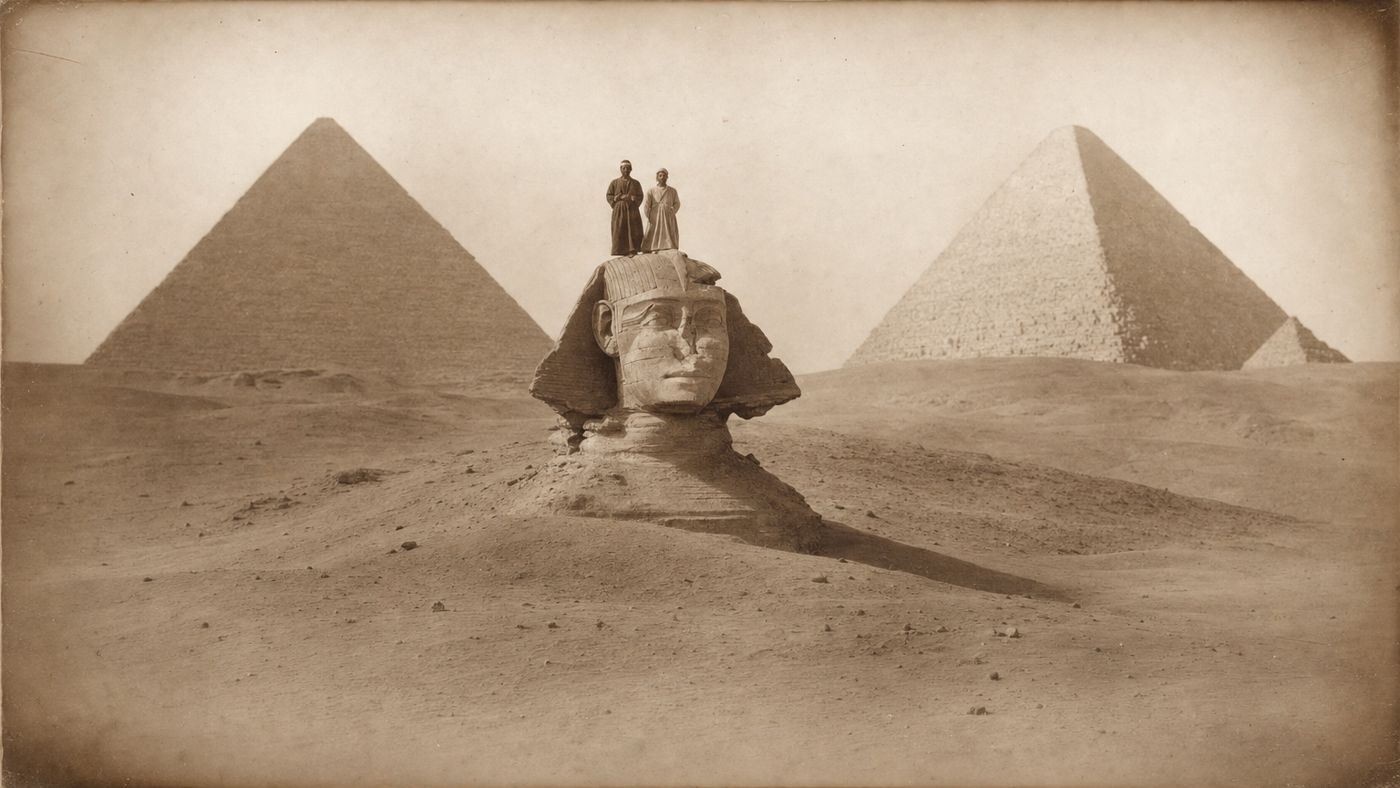
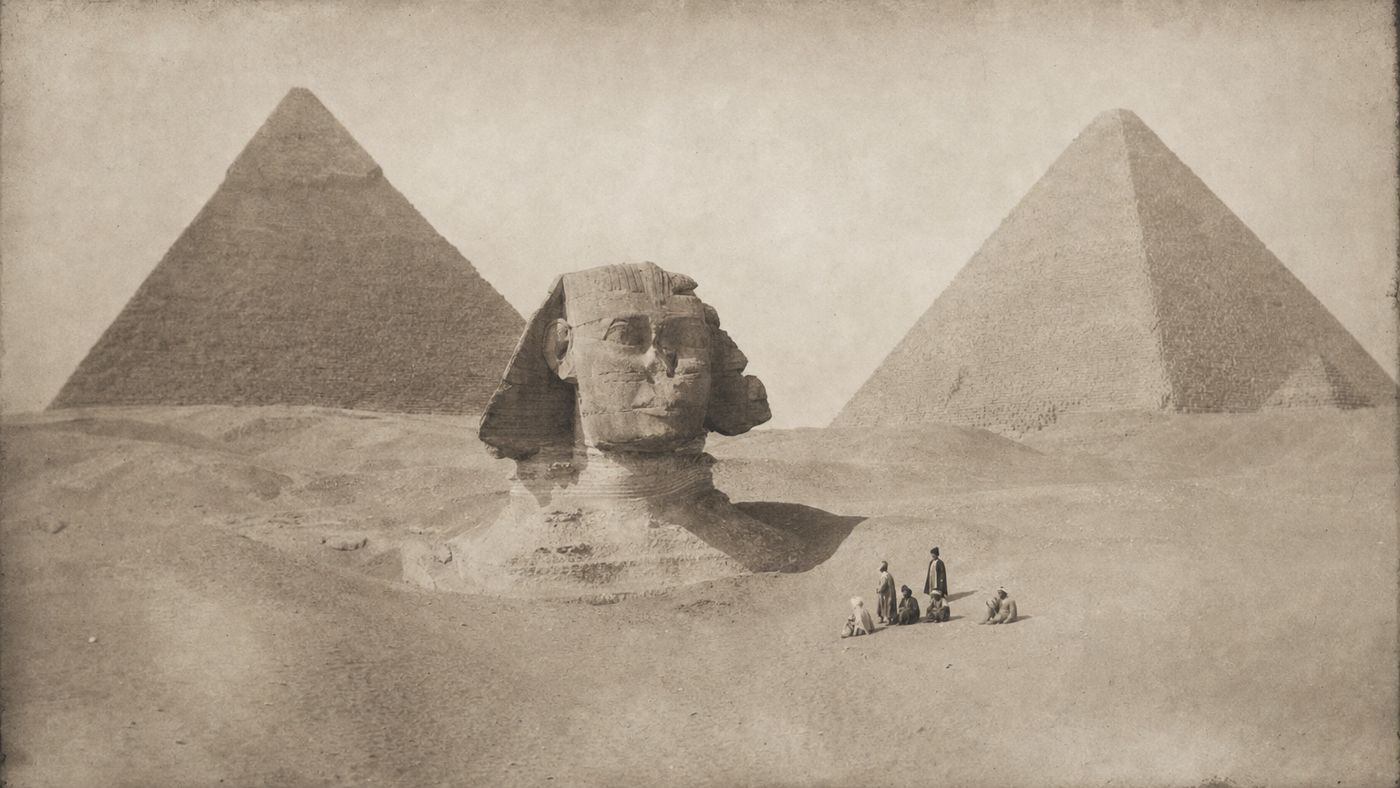
For those who do not need to take their own photos but are looking for real pictures of the Sphinx of Giza as a reference, for drawing or modeling: the best source is excavation archives, not stock photo databases.
Harvard University maintains the most extensive digital archive of the plateau, built from over a hundred years of excavation documentation. There you will find photos from angles that no one can get today: from inside the pit, from the back of the figure, from the time before the barriers. For a reconstruction, that is more useful than any current travel photo.
Two notes on this. Historical photos show a different state of preservation, as restoration has since been carried out, especially on the paws and base. And the lighting in archive images is often harsh and at noon, because plate cameras needed light. If you are looking for a reference, you should keep both in mind.
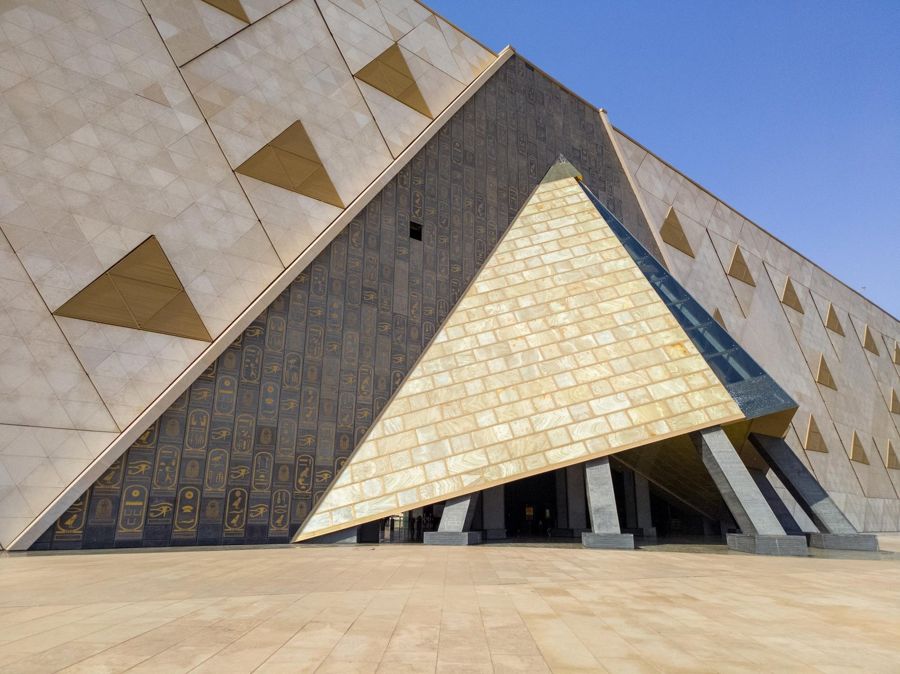
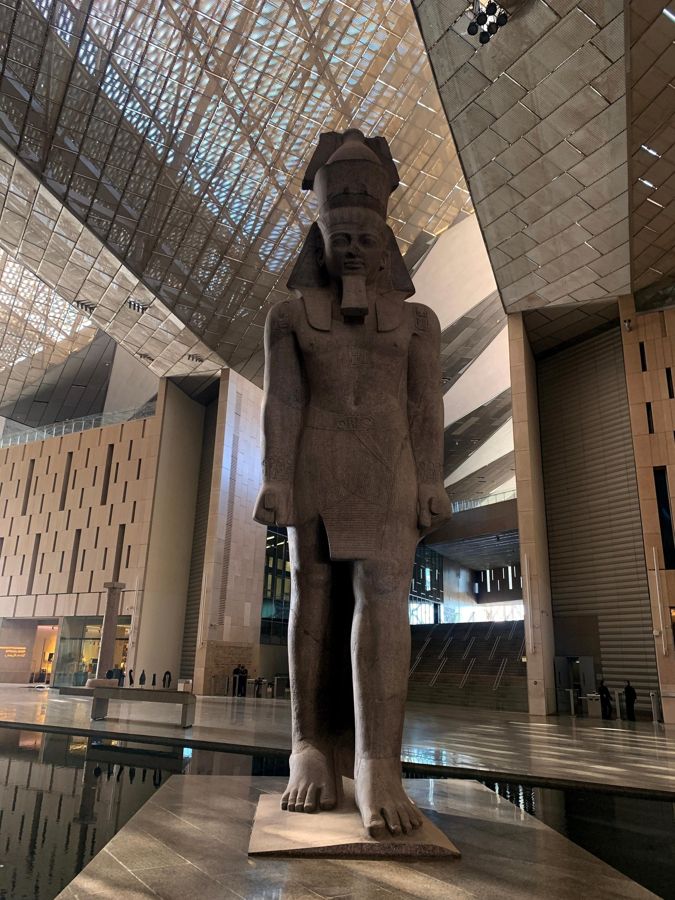
Private day with site and the Grand Egyptian Museum
- Seven hours private, so time at the spots where the layered composition works
- German-speaking guide, pickup, site entrance, and lunch included
- No photo package: you bring your own equipment and lenses
- Free cancellation up to 24 hours before start