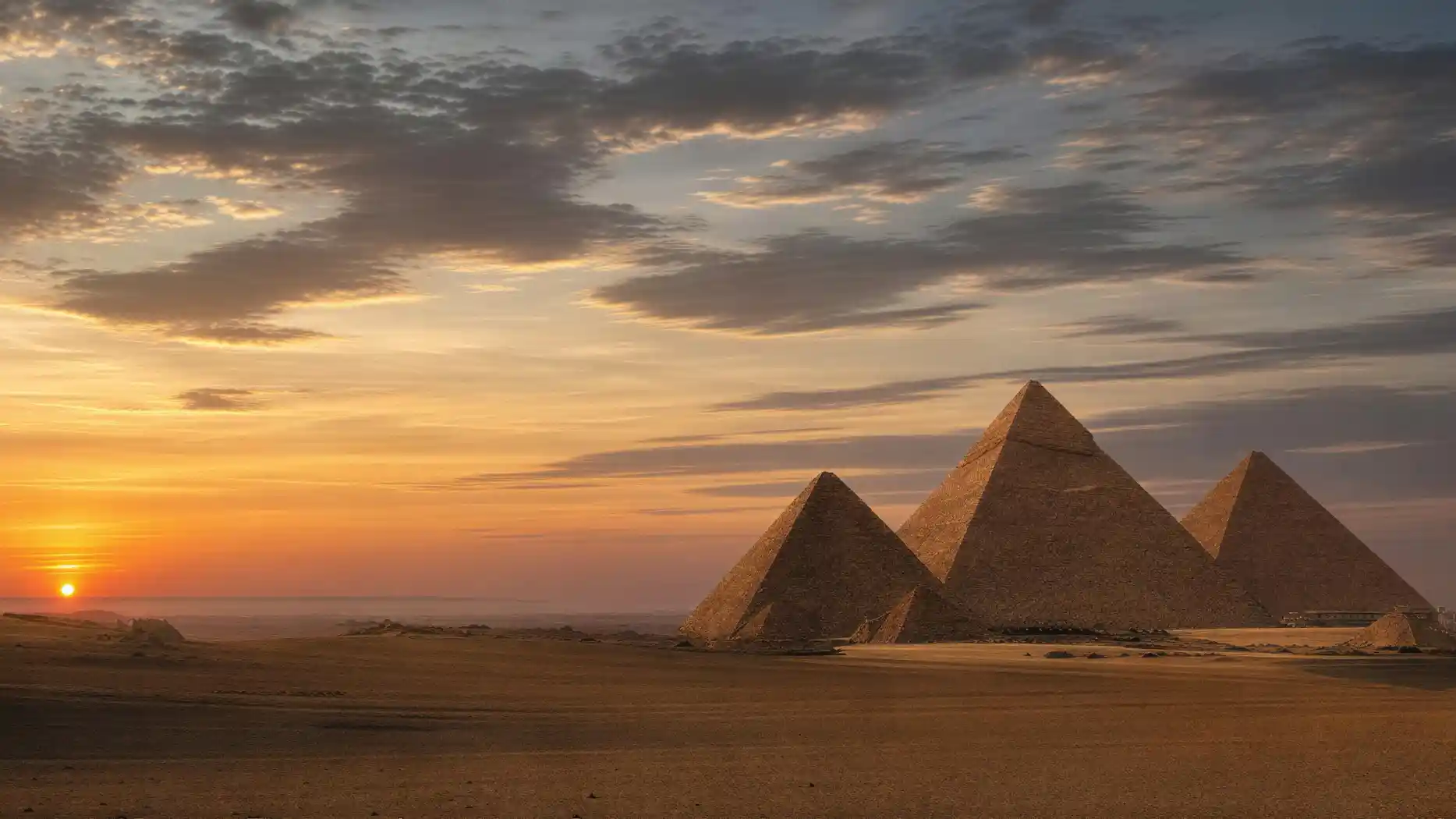
Most tips for visiting the Pyramids of Giza circulating online are sensible travel rules. They work in many places. Here, they don't, and some even have the opposite effect.
There's a simple reason for this. The site is not a museum or an old town, but a two-kilometer-long, shadowless stretch of desert with two gates far apart, a fixed closing time, and a ticket office closing time that comes before the closing time. Add to that an environment where many people live off visitors. Those who bring the usual rules of thumb lose time.
The fact that so much useless advice circulates about this particular place has two causes. First, it's produced in large quantities because few destinations are described more often. Second, it mostly dates from before the site's renovation, when the main entrance was elsewhere, vehicles were allowed in, and sales were organized differently. A tip from 2019 is not old-fashioned here; it's simply wrong.
This page therefore doesn't collect general advice, but exactly the points where experienced travelers regularly go wrong. Each of these has its own page on this website with the details; here, only what goes wrong and what applies instead.
Eight Pieces of Advice That Don't Work Here
- False
Come late, and it'll be less crowded.
It's only less crowded early. In the afternoon, there are fewer people, but it's hottest, and an hour before closing, no one sells tickets anymore.
- Partially
You can simply buy the ticket at the entrance.
At the main gate in the southwest, yes, at ticket offices and machines. At the gate by the Sphinx, no, there's no sales there. If you arrive there without a ticket, you'll have to drive around the entire site from the outside.
- Partially
Bring lots of cash.
Entry is paid by card; for that, you need small bills for restrooms and tips. Bringing lots of cash is rather a disadvantage here.
- False
With a guided tour, you'll get in faster.
A guide doesn't grant access or extra tickets for the interiors. It provides context, not priority.
- False
Book a sunrise tour.
The site opens after sunrise. What such offers deliver is the first light on an empty site, not the sunrise itself.
- False
Sturdy hiking boots are a must.
You'll walk through soft sand and over stone slabs, not over scree. Comfortable closed shoes are enough, and heavy boots make the heat worse.
- Partially
Everything is close together; you can walk it quickly.
Between the largest and the smallest pyramid lies a good kilometer without shade. Walkable, but not a stroll in summer. The shuttle is included in the entry fee.
- Partially
At the exit, just take a taxi.
Possible, but your driver waits at the gate you entered. If you come out at the other gate, you should have announced that beforehand.
Money, Water, Sun, Toilets
Four of these points concern the body and the wallet, and they deserve a bit more space because they shape the day more than anything else.
About money: At the site, payment is now by card. Next to the ticket offices, there are machines for buying tickets with a bank card, and the official rates are in the overview of the antiquities administration. You'll still need small bills, in Egyptian pounds: for the restrooms, where an attendant takes a small fee, and for tips. As a rule of thumb: a handful of small bills, not a wad of large ones.
About water: There are no drinking fountains. On-site sales exist, at significantly higher prices than outside, and you can bring your own water in. Two liters per person is not an exaggeration in summer; it's the minimum.
About the sun: The bright sand reflects light from below, and that's exactly what Central Europeans underestimate. You get the sun twice, from above and as a reflection, and that includes places that never see sun otherwise, under the chin and on the forearms. A hat with a brim beats any cap, and sunscreen should be applied before departure, not at the gate.
About the restrooms: They exist since the renovation and are in good condition, but they cost something, and the fee is paid in cash to an attendant. Paper is not always available, and if you come in the summer afternoon, supplies are often depleted. A pack of tissues in your pocket completely solves this problem.
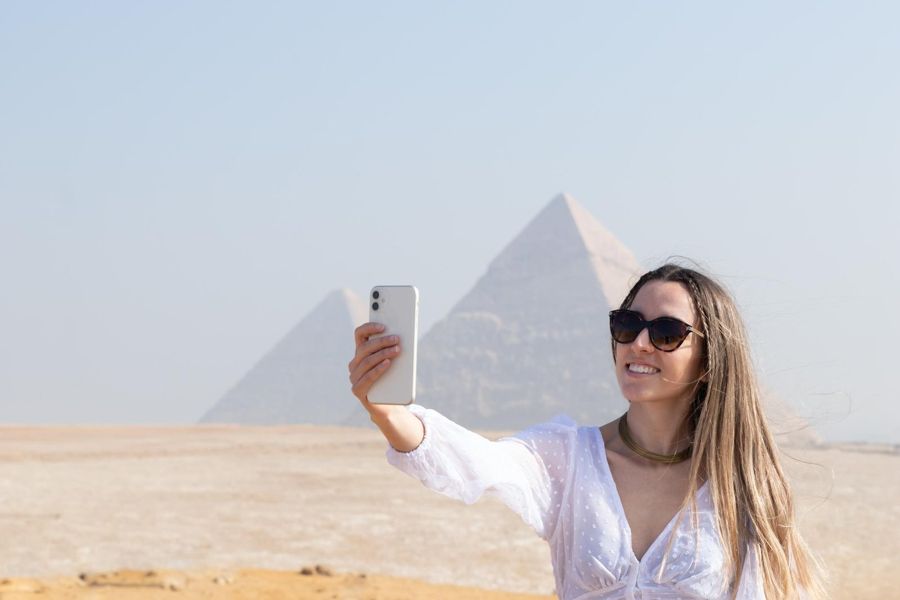
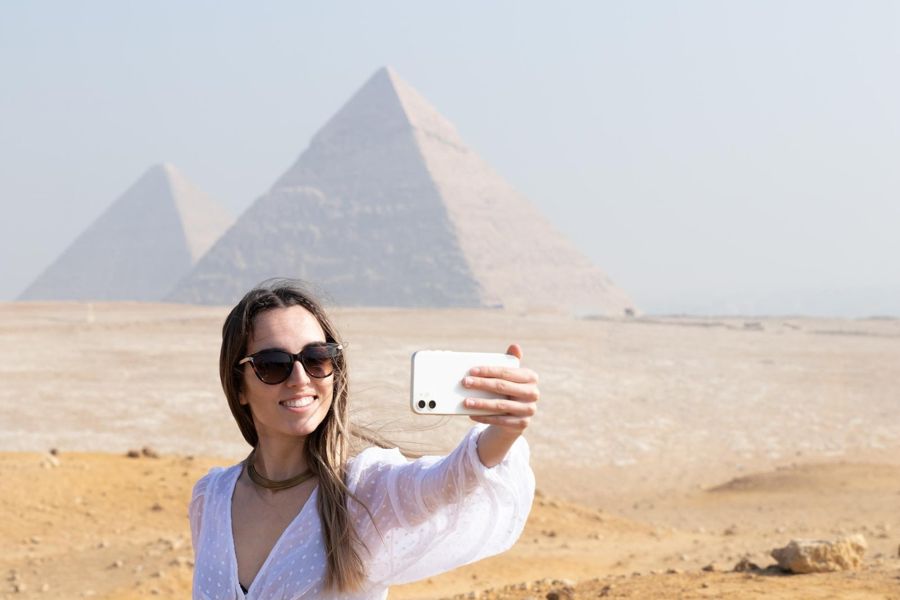
Entry ticket for the site as a QR code
- Eliminates two of the eight mistakes above at once: the gate without a ticket office and the ticket office closing time
- The code is on your phone, no printing, no queuing
- Valid for one day and covers the area; interiors are not included
- Free cancellation up to 24 hours before the chosen day
What Really Belongs in Your Pocket That Day
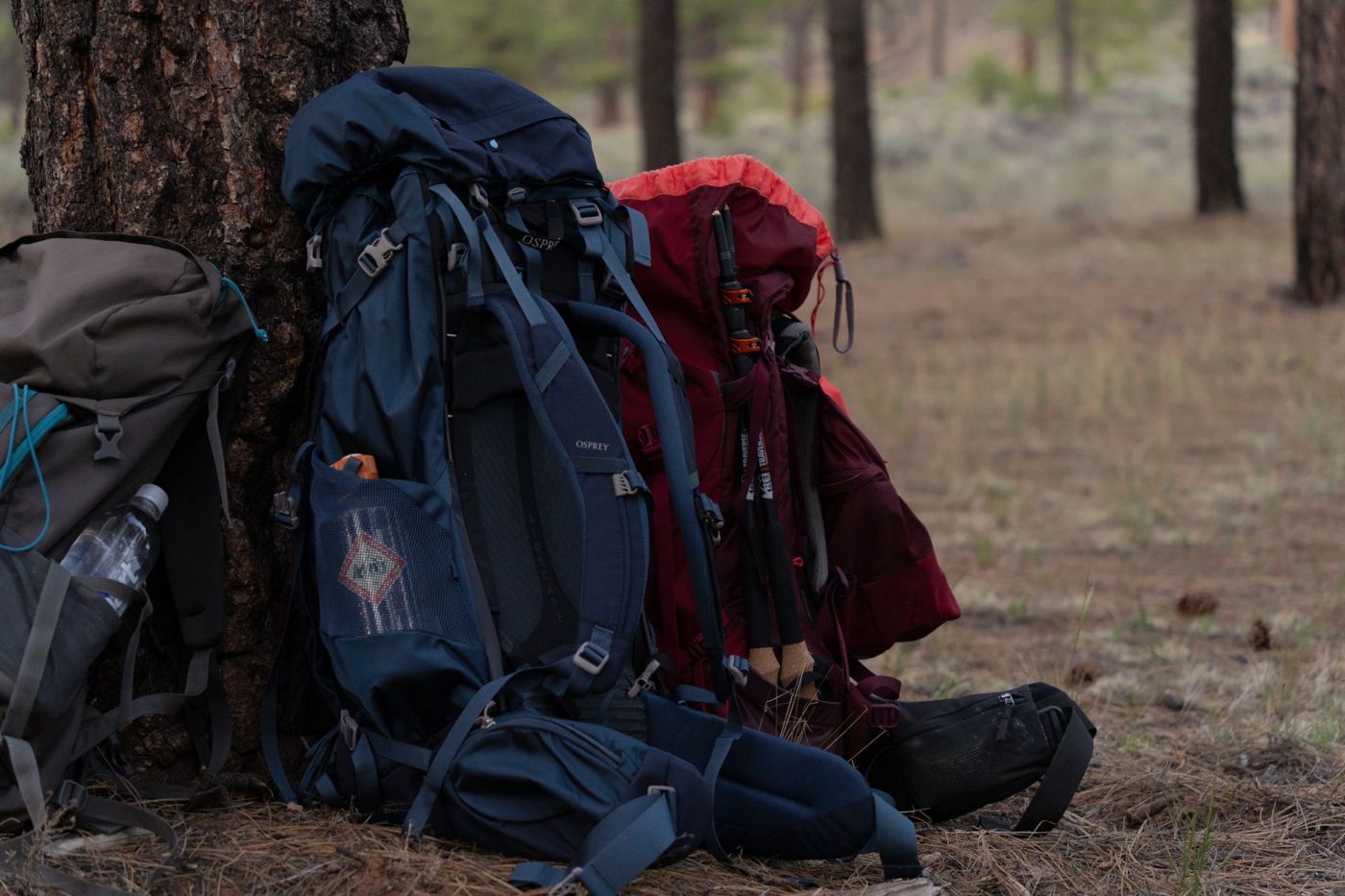
- A small backpack, not a large bag, because everything goes through an X-ray belt
- Two liters of water per person, in summer rather more
- Small bills in Egyptian pounds for restrooms and tips
- Tissues, because in doubt there are none on site
- Sunscreen with high SPF and a hat with a brim
- Sunglasses, because the bright sand blinds from below
- A light long layer for the early morning, which is noticeably cool in winter
- The ticket on your phone, with enough battery to last until evening
The Order Matters More Than the Gear
The most useful advice for the day at the Giza Plateau concerns not the gear, but the order.
The reason is the shape of the site. The plateau slopes down to the east, toward the city, and the highest point is in the southwest. If you work against this slope, you'll walk uphill in the afternoon, in the sun, with an empty bottle. If you use it to your advantage, you'll go the same way downhill.
Start at the top. If you start at the main gate in the southwest, take the shuttle to the viewpoint and first get an overview of all three structures. Then work your way east and down, with the Sphinx as the finale. The other way around, you'll first see the smallest structure up close and understand the layout only at the end, when you're tired.
Factor the walking time on the site into any time schedule. A time slot for an interior applies from the structure, not from the gate, and between the two lie twenty minutes or more depending on the destination. The same applies at the end of the day: when closing time comes, you're supposed to be outside, not standing at a pyramid.
Use the shuttle in sections rather than all the way. It runs a circular route, and the most rewarding passages are the short walks between two stops, for example from the viewpoint down toward the third pyramid. If you only ride, you see the structures through a window. If you only walk, you spend half the day in the sun. The mix is the answer, and it costs nothing extra because the ride is included in the entry fee.
And plan a break that isn't a last resort. On the site, there is now catering, since the reorganization of visitor operations at several points. Half an hour in the shade around noon saves the afternoon, and those who skip it usually end the visit earlier than planned.
Data plan for Egypt as an eSIM
Your ticket is on your phone, the driver is summoned to the right gate via message, and the map helps in the dune area. Important to know: This is a pure data plan, without an Egyptian number, without calls, and without SMS.
What You Can Skip
Finally, the other direction: what you should know about the Pyramids of Giza to save yourself some things.
Skip the attempt to see all three interiors in one day. The tickets are individual, the waiting times add up, and the chambers are more similar than you'd expect. One is enough to know what it's like there.
Skip haggling over tiny amounts. It costs nerves, spoils the mood, and doesn't change the day's budget. Where a price is named that you don't want to pay, a friendly no works better than a negotiation.
Skip worrying about safety. The site is guarded, controlled, and unproblematic for visitors; the realistic annoyances are sales pressure and overpriced rides, not danger.
Also skip the claim that you have to photograph everything. The recurring motifs are available at three spots, and the rest of the site offers little photographically, but all the more when just looking.
And skip the expectation that it will be lonely. It won't, except in the first hour. Those who use that one hour, however, get exactly the picture they had in mind, and that's why the early alarm clock is the only tip on this page that really changes everything.
Frequently asked questions
When is the best time to come?
At opening. The first hour is the only quiet one of the day and also the coolest. The group buses arrive between nine and ten.
Do you need cash?
Not for entry; that's paid by card. For restrooms and tips, yes, in small bills.
Can you bring water and food?
Yes. That's also sensible because it's significantly more expensive on site and there are no drinking fountains.
How big can the bag be?
Small. Everything goes through an X-ray belt, and a large backpack is hard to carry on soft sand.
What is the most common avoidable mistake?
Arriving at the eastern gate without a ticket. Nothing is sold there, and the detour to the other gate leads through traffic on the outside.
Is a second day worth it?
Yes, for the quieter parts, namely the valley temple, the cemeteries, and the paths away from the three photo stops. For the famous views, one morning is enough.