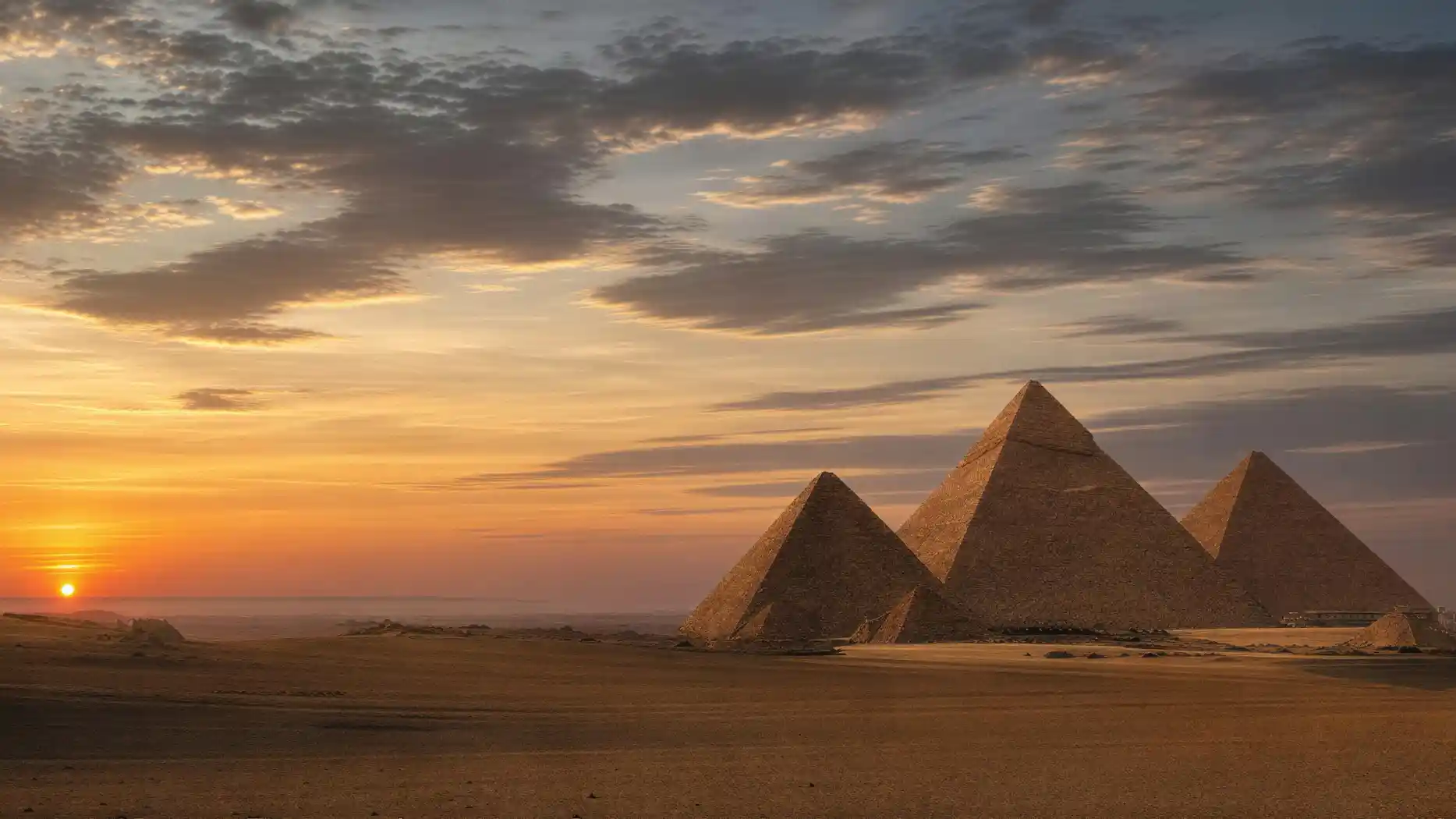
Combining Giza and the Grand Egyptian Museum in one day has been feasible since November 2025, because the two are only about two kilometers apart. The question is not whether it works, but whether it makes for a good day.
Let's be honest. The usual circuit around the plateau takes three to four hours. The museum's main galleries also take three to four hours, realistically more, since it is the largest museum in the world dedicated to a single culture. Add the transfer between the two, a break, and security checks at both sites, and you are looking at eight hours or more, a significant part of it outdoors in the sun.
It is doable, but it is not a stroll, and it goes wrong if you plan it as two half-days back to back.
There is, however, one factor that can turn this strenuous day into a comfortable one, and it is the museum's opening hours. Two weekdays are different from the other five, and anyone who knows this will plan the combined day around exactly those two.
- Galleries, Sunday to Friday
- 9 am to 6 pm
- Galleries, Wednesday and Saturday
- 9 am to 9 pm
- Museum grounds
- 8:30 am to 7 pm, until 10 pm on Wednesday and Saturday
- Last admission
- One hour before the galleries close
- Distance to the plateau
- About two kilometers
- Combination ticket
- Not listed on the official ticket page
Opening hours are the key
These hours are the key to the whole day, so it is worth looking closely.
According to the official information from the museum, the galleries are open daily from 9 am to 6 pm, but on Wednesdays and Saturdays until 9 pm. The museum grounds open at 8:30 am and close at 7 pm, and on those two days at 10 pm. Last admission is one hour before the galleries close.
This changes the calculation. On a normal day, you have to fit both visits between 8:30 am and 6 pm, and the afternoon at the museum competes with the morning at the plateau for the same hours. On a Wednesday or Saturday, you gain three extra evening hours, and those hours are exactly where they help most: indoors, air-conditioned, and without the sun.
So the recommended combined day looks like this: early to the plateau while it is still cool and quiet, early afternoon over to the museum, lunch there, and then the galleries into the evening. You spend the midday heat inside instead of on the open site, and neither half of the day feels rushed.
There is another reason to combine the two, one that is rarely mentioned but stronger than any comfort argument. The museum ticket, according to the ticket page, includes not only the Tutankhamun galleries and the main galleries but also the boat museum. The solar boat of Khufu, which until 2021 was displayed on the plateau itself, is now there. So if you visit the plateau and look into the empty boat pits next to the Great Pyramid, you will find what once lay in them two kilometers away. The two halves belong together, and that is a better argument for a single day than the distance.
If you cannot manage one of those two weekdays, you should seriously consider spreading the visit over two days. That is not a fallback but, for most people, the better solution, because each site alone can easily fill half a day or a full day.
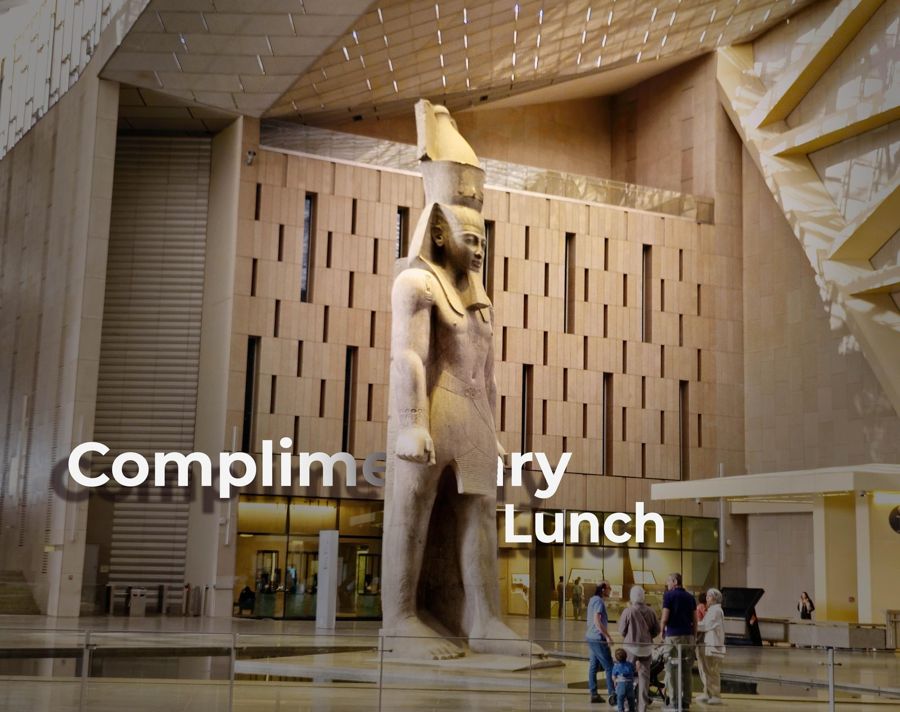
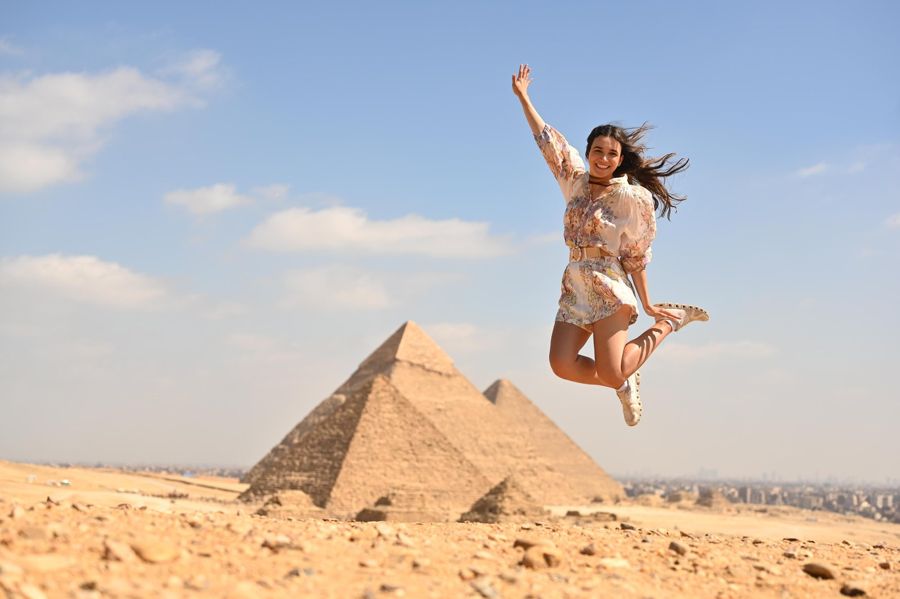
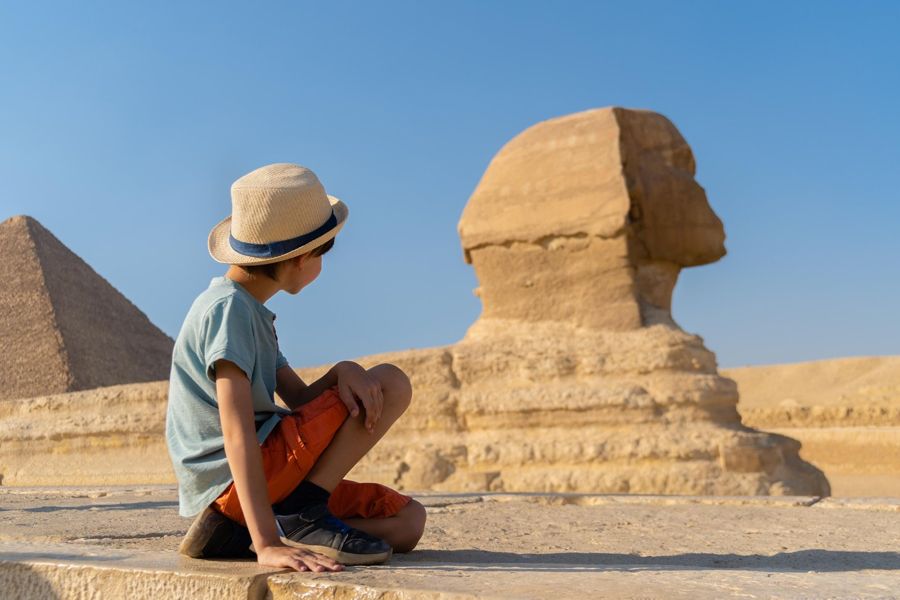
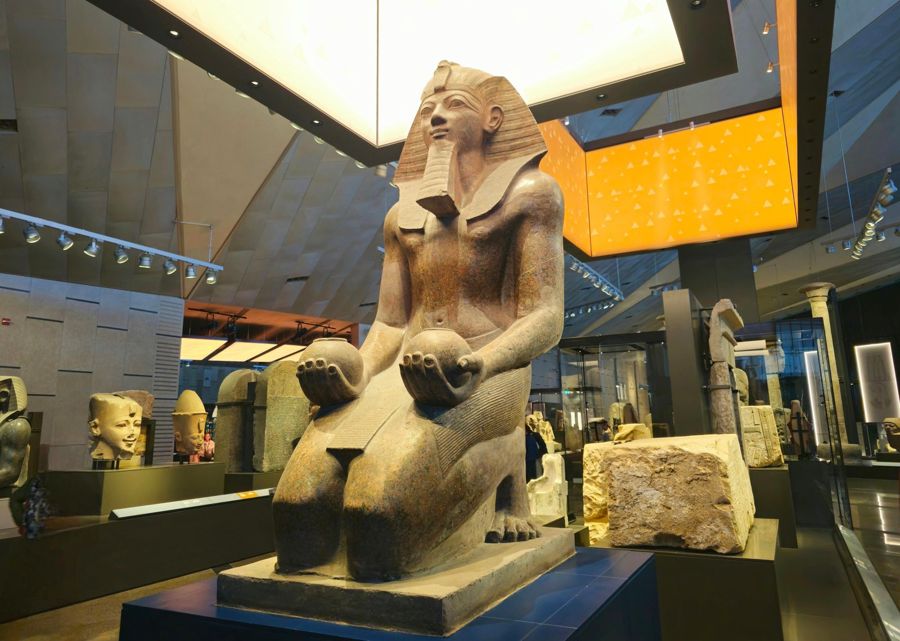
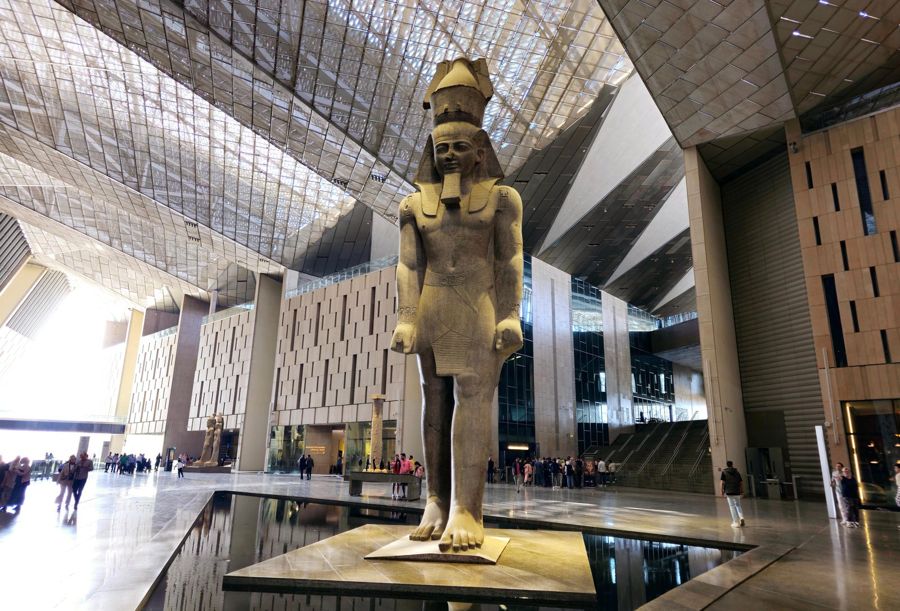
Both halves in one day, with pickup and guide
- Seven to eight hours, which is what a combined day really needs
- Includes entry to the site, lunch, and pickup from your accommodation
- German-speaking guide available, and the order is set by the provider, not by you
- Free cancellation up to 24 hours before, according to the provider
The two possible orders
Both orders work, but they suit different situations. The deciding factor is less about preference and more about the season and the day of the week.
| Order | Advantages | Disadvantages | When it works best |
|---|---|---|---|
| Plateau first, then museum | The cool morning hours are spent outdoors, the heat of the day indoors; you also get a sense of scale before seeing the finds. | By the end you are tired, and the museum demands your attention. | Almost always in summer, and especially on Wednesdays or Saturdays. |
| Museum first, then plateau | You know what the burial chamber looked like, so the empty pits and passages mean more. | You end up on the plateau during the hottest part of the day, and it can be crowded. | In winter, and when you have an early time slot at the museum. |
- Advantages
- The cool morning hours are spent outdoors, the heat of the day indoors; you also get a sense of scale before seeing the finds.
- Disadvantages
- By the end you are tired, and the museum demands your attention.
- When it works best
- Almost always in summer, and especially on Wednesdays or Saturdays.
- Advantages
- You know what the burial chamber looked like, so the empty pits and passages mean more.
- Disadvantages
- You end up on the plateau during the hottest part of the day, and it can be crowded.
- When it works best
- In winter, and when you have an early time slot at the museum.
The museum issues timed entry tickets, currently at 9, 11, 13, 15, 17, and 19 o'clock, each as a two-hour window. An early booked slot decides the order, whether you like it or not.
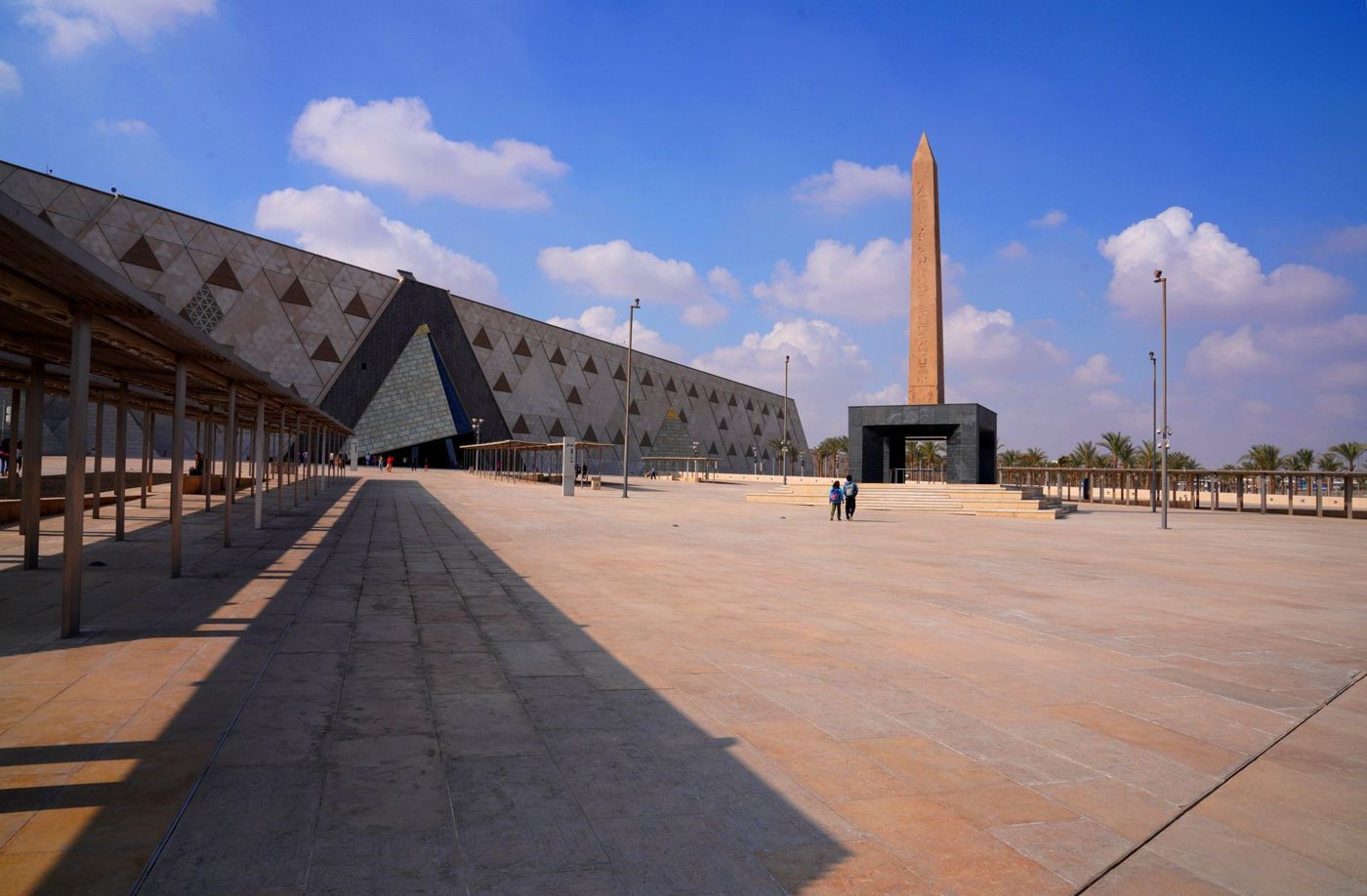
Two kilometers where plans fail
The distance between the two is shorter than any drive in Cairo, yet it is the point where most plans start to slip.
Two kilometers sounds like a walk. It is not, because between them lie an exit from the fenced plateau, a main road, and the museum's own access road. On foot in the midday sun, that is an unpleasant half hour, and there is not a continuous sidewalk.
Second, vehicles are not allowed on the plateau. Your car waits outside, and which gate you use to leave determines how far you have to walk to it. If you do the usual circuit and end at the Sphinx, you leave through the eastern gate, which is on the side facing away from the museum. Anyone planning the combined day should therefore arrange the return route deliberately.
Third, the museum, according to its own information, is located at Remayah Square on the Cairo-Alexandria Desert Road, with access via the second gate. This address belongs in the driver's navigation system, not the name of the museum, because the site is large and the public entrance is not the only one.
In practice, this means: allow a good hour between your last stop on the plateau and entering the galleries. If you plan for fifteen minutes, you will miss your booked time slot.
Two separate tickets, no combination ticket
That leaves the question of tickets, and here the answer is clearer than the internet suggests.
There are two separate transactions. Entry to the plateau has nothing to do with the museum ticket; they are sold through different systems, and the museum requires advance booking through the ticket page linked from its official website. That page is visit-gem.com, which describes itself as the museum's only official sales outlet. We give the address here so you have a string to compare, but we recommend reaching it via gem.eg rather than through a search engine. For the plateau, there is no equivalent: the official page does not refer to any seller, so we do not name an address for the pyramids either. Advance purchase is possible for the plateau, but not required.
In addition, the museum issues timed entry tickets, introduced after the rush of the first weeks. The time slot is thus the only fixed appointment of the whole day, and everything else revolves around it. Book it first and plan the plateau visit around it, not the other way around.
A common claim is that there is a combination ticket with a price advantage. We checked the museum's official ticket page: it describes only the museum entry and mentions neither the pyramids nor a combined ticket. The claim comes exclusively from third-party sites. So plan with two separate entries, and treat any combo offer as a pleasant surprise if it appears at the ticket counter.
One difference between the two sites is noteworthy and important for some readers: the museum has explicit exemptions from entry, including for children under six and visitors with disabilities. The official information for the plateau does not have such a category. If you are traveling with someone affected, do not assume that one rule applies to the other.
Stay between the two. Hotels in Giza lie between the plateau and the museum, and that takes the strain out of the combined day: you can go back at midday, drop something off, and set out again in the evening without driving through Cairo's traffic. Three hotels that cover this:
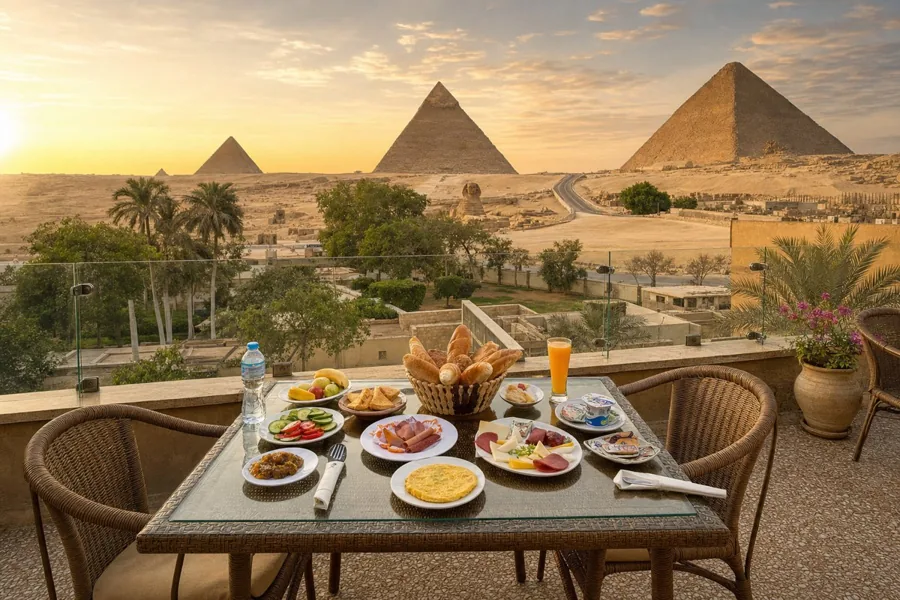 At the Sphinx
Giza Pyramids View Inn
- Good breakfast
- Airport shuttle
- Two restaurants
- 24-hour reception
- Free Wi-Fi
For those who want to see the Sphinx from their breakfast chair
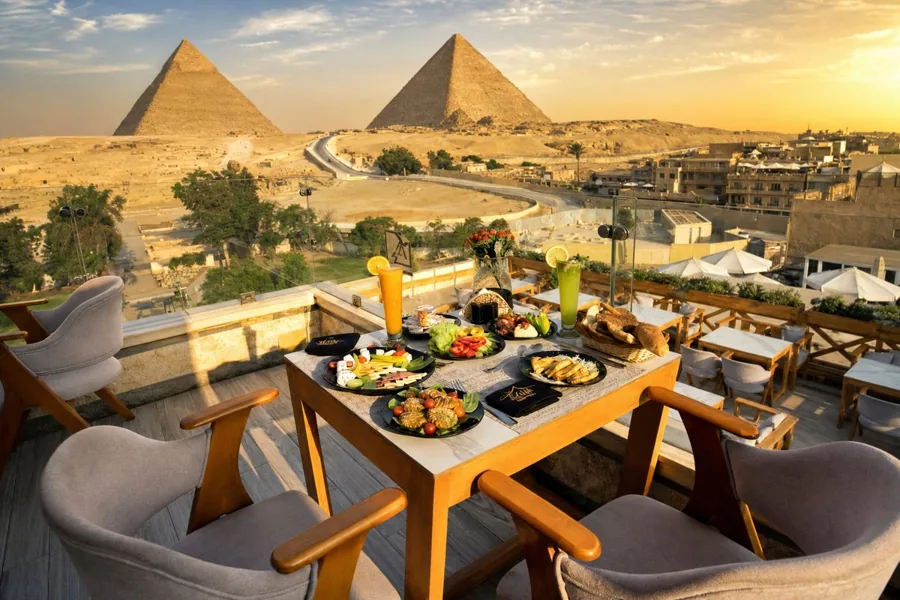 Most reviewed
Great Pyramid Inn
- Fabulous breakfast
- Rooftop terrace restaurant
- Bar
- Airport shuttle
- 24-hour reception
Most who want to stay in the neighborhood
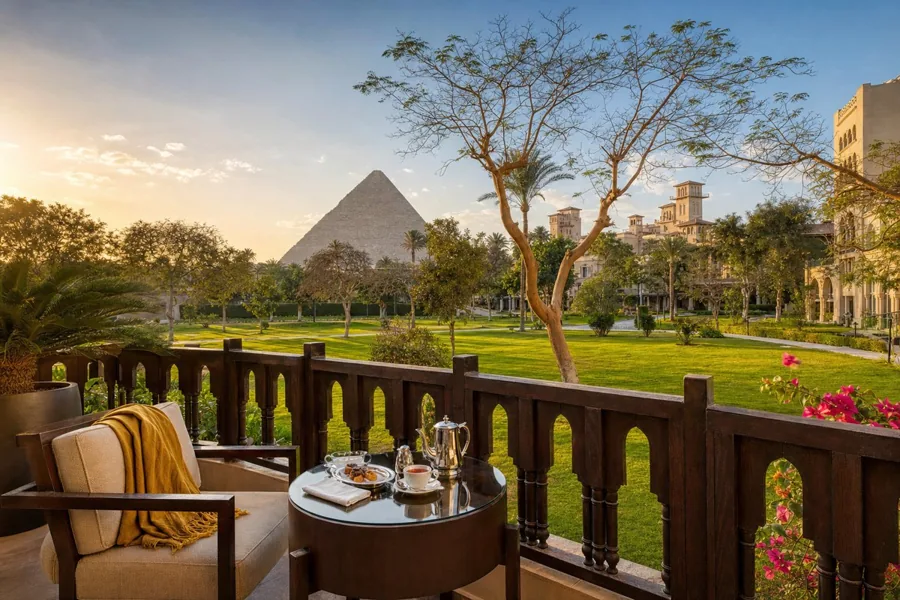 Garden & pool
Marriott Mena House
- Excellent breakfast
- Outdoor pool
- Spa and wellness center
- Three restaurants
- Fitness center
For those who want space, garden, and pool instead of a rooftop terrace
Frequently asked questions
Can you do both in one day?
Yes, but it takes eight hours or more. On a Wednesday or Saturday it is much more comfortable because the galleries are open until 9 pm.
In which order?
In summer, plateau first, then museum, so the heat happens indoors. In winter, the reverse order also works.
Is there a combination ticket?
None is listed on the museum's official ticket page. Plan for two separate entries.
How do I get from the plateau to the museum?
By vehicle, which waits outside. On foot it is two kilometers without a continuous sidewalk, not a good idea in the midday sun.
When is the last admission to the museum?
One hour before the galleries close, so at 5 pm or 8 pm depending on the day.
Would it be better to make it two days?
For most people, yes. Both sites can easily fill half a day or a full day on their own.